7 Tips What Certifications Do Power Adapters Need?

Time:2026-10-20 Author:Madeline
0%

Choosing a power adapter is not only about voltage, current, plug shape, or price. A reliable adapter should also meet recognized safety, electromagnetic compatibility, and energy-efficiency requirements. These marks are not decorative stickers. They reflect testing, documentation, traceability, and responsible manufacturing.

What certifications are important for power adapters depends on the destination market, product design, and intended use. In North America, buyers may look for UL or ETL certification, while European products often require CE marking and supporting compliance records. The UK may require UKCA requirements, and many devices need FCC compliance for electromagnetic emissions. IEC safety standards, RoHS material restrictions, and energy-efficiency rules may also influence purchasing decisions.

However, certification names can be confusing. CE marking is generally a manufacturer’s declaration of conformity, not a single universal approval. A familiar logo can still be misused. That detail matters.

This guide presents seven practical tips for reviewing power-adapter certifications with greater confidence. It considers label information, test reports, input and output ratings, regional requirements, and supplier credibility. A qualified engineer or recognized testing laboratory should verify uncertain cases, especially for medical, industrial, or high-power equipment. Online listings often omit important evidence. That is a weakness worth noticing.

From checking the adapter’s label to confirming certificates with official databases, each step can reduce safety risks and purchasing mistakes. The process may feel technical, but the details are concrete: a missing report, an incorrect model number, or an unsuitable voltage range can cause serious trouble. Reliable certification is only one part of quality, yet it is a strong place to begin.
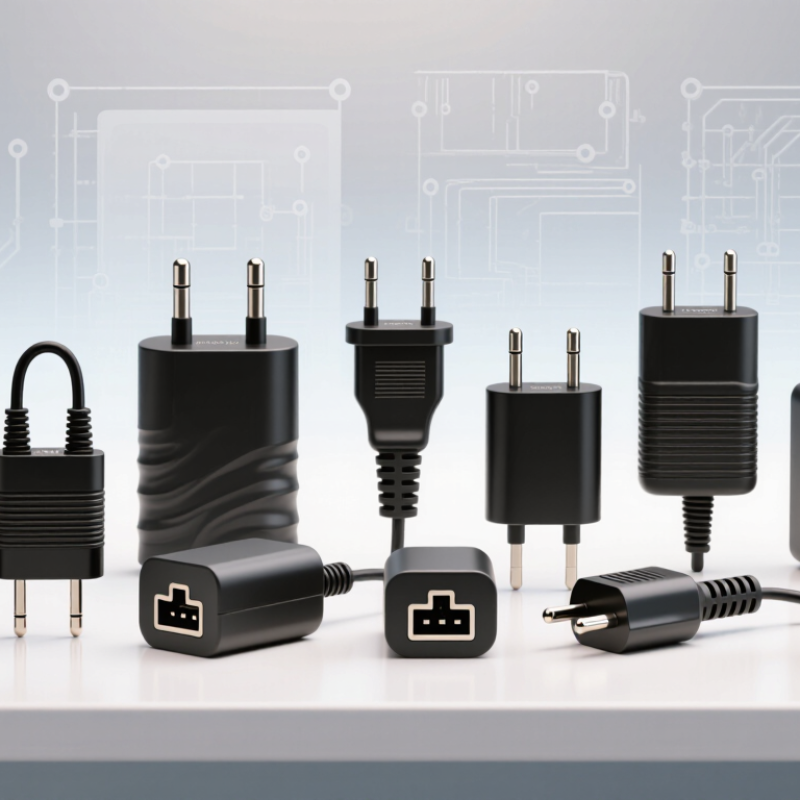
7 Tips What Certifications Do Power Adapters Need?

Understanding Why Power Adapter Certifications Matter

7 Tips: What Certifications Do Power Adapters Need?

Understanding why power adapter certifications matter starts with safety. IEC 62368-1 evaluates electric shock, fire, and hazardous energy risks. EMC testing checks whether an adapter disrupts nearby devices or fails under interference. These are not decorative labels. They support traceable testing, technical files, and production controls.

The International Energy Agency’s Electricity 2024 report expects global electricity demand to grow by about 3.4% annually through 2026. Small efficiency gains now matter at scale. A one-watt standby loss wastes 8.76 kWh yearly.

Look for seven practical signals:

  • recognized safety testing
  • EMC compliance
  • efficiency verification
  • overheating protection
  • insulation checks
  • factory consistency
  • accurate markings

The U.S. Department of Energy’s Level VI rules limit no-load consumption and require minimum active-mode efficiency for many external power supplies. The European Commission’s Regulation 2019/1782 also sets efficiency and information requirements for external power supplies.

Certification scope matters. A certificate for one model may not cover every voltage, plug, or enclosure revision.

Read the report number, certification body, input range, and output rating. Check whether the document is current. Do not trust a printed symbol alone. A genuine file should connect the model to test results and manufacturing controls.

In real inspections, confusing compliance marks with independent certification remains common. That mistake is understandable, but risky. Even careful buyers can miss a changed circuit or supplier.

Periodic retesting is imperfect and sometimes expensive. It is still more reliable than assuming identical-looking adapters perform identically.

Identifying the Main Safety Standards for Power Adapters

7 Tips What Certifications Do Power Adapters Need?

Identifying the Main Safety Standards for Power Adapters

A power adapter needs certification for its destination, voltage, insulation design, and connected equipment. IEC 62368-1 is widely used for information, communication, and audio-video equipment. It evaluates hazards such as electric shock, fire, and excessive temperature. IEC 61558-1 and IEC 61558-2-16 may apply when the adapter uses a transformer or switch-mode power supply. Household applications can require IEC 60335-1 instead. The correct standard depends on the final product, not only the adapter’s appearance.

Safety testing is only one part of compliance. EMC checks commonly reference CISPR 32 and IEC 61000-3-2. These assess unwanted emissions and harmonic current. Regional rules may also require electrical safety, electromagnetic compatibility, energy efficiency, and substance restrictions. The U.S. Department of Energy’s efficiency requirements allow no-load limits as low as 0.1 watts for certain external supplies. Small losses still matter. The International Energy Agency’s 4E work has reported that standby consumption can represent roughly 5–10% of household electricity use in some markets.

A practical review should verify creepage distance, clearance, abnormal operation, short-circuit protection, leakage current, and temperature rise. Test the adapter with the real load. Laboratory results can change with cable length, enclosure material, or connector polarity. This detail is often underestimated. A certificate number alone does not prove suitability for every country. Certification marks, factory audits, and current test reports should be checked together. The checklist may look complete, yet one missing regional requirement can delay approval.

Comparing Regional Certification Requirements Worldwide

7 Tips What Certifications Do Power Adapters Need?
Comparing Regional Certification Requirements Worldwide

Power-adapter certification changes with the destination market. IEC 62368-1 commonly supports safety evaluation for information and communication equipment. However, it does not replace local approval. In the European Union, manufacturers usually prepare CE documentation, meet Ecodesign Regulation (EU) 2019/1782, and control electromagnetic compatibility. The regulation sets a 0.10-watt no-load limit for many adapters below 49 watts. Small details matter.

North America focuses strongly on efficiency and electrical safety. The United States uses Department of Energy external power supply rules, including active-mode and no-load testing. Canada applies its own energy-efficiency requirements and national certification pathways. China commonly requires CCC approval, while Japan uses PSE requirements. South Korea, Australia, and New Zealand apply KC and RCM systems. Their markings, test laboratories, and technical files differ. One report cannot serve every country.

The International Energy Agency’s Net Zero Roadmap states that efficiency measures could deliver more than 40% of required emissions reductions by 2030. That pressure explains stricter standby limits. A practical seven-point check should cover safety, EMC, efficiency, materials, labeling, factory control, and market-specific records. A common mistake is treating CE as a universal certificate. It is not. Requirements also change by adapter power, plug design, output voltage, and intended equipment. The map is not neat. Test planning should begin before tooling, although many teams still discover regional gaps after production.

7 Tips: What Certifications Do Power Adapters Need? — Comparing Regional Certification Requirements Worldwide

Region / Market Primary Mark or Registration Electrical Safety Requirements EMC and Radio Requirements Energy, Environmental and Documentation Requirements Typical Plug Standard Important Market-Entry Tip
European Union / EEA CE marking Low Voltage Directive 2014/35/EU may apply to equipment within the stated voltage ranges. Product safety is normally demonstrated through a technical file, risk assessment and applicable harmonized standards. EMC Directive 2014/30/EU applies to equipment that may generate or be affected by electromagnetic disturbance. Radio Equipment Directive applies only when wireless functions are included. External power supplies are subject to EU ecodesign requirements, including Regulation (EU) 2019/1782. RoHS and WEEE obligations may also apply. C, E, F and local variants CE is generally based on manufacturer conformity assessment and is not the same as a third-party safety listing. Keep the EU Declaration of Conformity and technical documentation available.
United Kingdom UKCA or accepted CE marking The Electrical Equipment (Safety) Regulations 2016 apply to relevant low-voltage equipment placed on the market in Great Britain. The Electromagnetic Compatibility Regulations 2016 apply. Radio equipment requires compliance with the applicable radio equipment rules. UK ecodesign rules regulate relevant external power supplies. UK RoHS and waste obligations may also apply, with separate market documentation requirements. G Great Britain currently accepts CE marking for many regulated products under the applicable recognition arrangements. Northern Ireland may follow different rules for certain goods, so identify the destination before selecting the conformity route.
United States No universal federal safety mark; NRTL listing commonly requested Federal rules do not generally require one universal safety certification mark for every adapter. Workplace, state and local authorities often rely on recognition by a Nationally Recognized Testing Laboratory. FCC Part 15 requirements generally apply to unintentional radiators such as switching power supplies. Wireless functions trigger additional FCC authorization requirements. The Department of Energy regulates many external power supplies under 10 CFR Part 430, including active-mode and no-load efficiency limits. State chemical and recycling rules may also apply. A and B Confirm the exact DOE product definition, efficiency level and reporting obligations. Retailers, distributors and authorities may require a recognized third-party safety certification even when federal law does not prescribe a single mark.
Canada Canadian electrical certification mark from an accredited body Electrical products generally require certification or field evaluation accepted by the provincial or territorial authority having jurisdiction. Applicable Canadian safety standards are used for evaluation. ISED ICES-003 generally applies to digital apparatus and other applicable unintentional radiators. Wireless products require the applicable radio certification or registration. Federal energy-efficiency requirements may apply to covered external power supplies. Provincial energy and environmental rules can create additional obligations. A and B Safety acceptance is administered within Canada’s electrical inspection system. Check the destination province or territory, because a test report alone may not be sufficient for installation or sale.
Australia and New Zealand RCM Electrical safety is managed through the Electrical Equipment Safety System in participating Australian jurisdictions. Relevant low-voltage equipment must meet applicable Australian and New Zealand safety standards. EMC compliance is administered under national radiocommunications rules. RCM is used to indicate compliance with applicable EMC, safety and related requirements. The Greenhouse and Energy Minimum Standards framework may apply to external power supplies. Registration and energy-performance evidence are required for products within scope. I Determine whether the adapter is a declared or non-declared article in the relevant jurisdiction. Keep the supplier declaration, test evidence and responsible-supplier details consistent with the product label.
Japan PSE mark The Electrical Appliances and Materials Safety Act applies to regulated electrical products. AC adapters are generally assessed under the applicable category for power supply units and must use the correct PSE route. Voluntary or sector-specific electromagnetic compatibility requirements may apply. Wireless functions require compliance with Japan’s radio regulatory framework. Energy-saving rules may apply depending on product type and function. Japanese labeling, importer and technical-documentation obligations should be reviewed separately. A Verify whether the product requires the specified or non-specified PSE procedure. The mark type, importer information and conformity records must match the legally applicable product category.
China CCC, when listed in the applicable catalog Products within the compulsory certification catalog require China Compulsory Certification before sale or import. Applicable GB safety standards and the exact product classification must be confirmed. Applicable GB standards cover electromagnetic compatibility. Products with radio transmission may require additional type approval or radio-related procedures. China RoHS requirements may apply. Some product categories are also subject to energy-efficiency labeling or minimum-efficiency rules. A, C and I Do not assume that every adapter needs CCC or that a foreign test report is sufficient. Check the current compulsory catalog, certification scope, Chinese labeling and local import documentation.
India BIS registration or certification, as applicable Power adaptors for information-technology equipment are commonly covered by the compulsory registration framework under the applicable Indian Standard, including IS 13252 Part 1 in relevant cases. Applicable Indian EMC requirements may apply. Wireless products require additional approval under India’s radio and telecommunications rules. Energy-efficiency and labeling requirements depend on the product category. Importer details, Indian-language or prescribed labeling and registration records may be required. C, D and M Confirm the current BIS product list and whether the adapter is covered as a standalone power adaptor or as part of another device. Registration is generally tied to the manufacturing location and model range.
South Korea KC mark Electrical appliances within the regulated scope may require safety certification, safety confirmation or supplier declaration under Korea’s electrical-appliance safety system. National EMC conformity requirements apply to applicable information technology and electrical equipment. Wireless products require additional radio conformity procedures. Standby-power and energy-efficiency rules may apply according to the product category. Korean labeling and importer information must be provided as required. C and F Select the correct KC procedure before testing because certification, safety confirmation and supplier declaration have different evidence and registration obligations.
Brazil INMETRO conformity route, when applicable Applicable electrical products may require mandatory conformity assessment under Brazilian regulations and technical standards. The exact route depends on the product classification and scope. EMC requirements may apply under applicable Brazilian regulations. Products containing radio transmitters require the relevant telecommunications approval. Energy-efficiency rules can apply to external power supplies and other regulated equipment. Portuguese labeling and local importer or representative information may be required. NBR 14136 Check the current INMETRO ordinance and product classification before testing. Brazilian market access may require a locally established responsible party and documentation in Portuguese.
Mexico Applicable NOM compliance Electronic equipment and power supplies may fall under mandatory Mexican Official Standards, depending on their function, voltage and intended use. Applicable NOM requirements may cover electromagnetic compatibility and interference characteristics. Wireless devices require additional telecommunications compliance. Energy-efficiency requirements may apply to external power supplies under the relevant NOM energy standard. Spanish labeling and importer information are generally important for market entry. A and B Identify the correct NOM standard before selecting a laboratory. A foreign report or international safety certificate may support the process but does not automatically replace Mexican conformity requirements.

Note: Requirements depend on input voltage, output power, intended use, wireless functionality, sales channel and the exact product classification. Always verify the current rules, standards, labeling requirements and conformity route with the competent authority or an accredited assessment body in the target market.

Checking EMC, Energy Efficiency, and Environmental Compliance

7 Tips: What Certifications Do Power Adapters Need?

Power adapters need more than a safety mark. EMC, energy efficiency, and environmental compliance can decide whether a product survives real-world use. Treat the adapter as part of the complete system. During EMC evaluation, laboratories measure conducted and radiated emissions. They also test immunity against disturbances from nearby equipment and unstable power lines. Ask for reports covering the exact model, input range, cable length, and operating load. Small changes can matter. An enclosure revision or longer cord may require review. Do not rely on a similar-looking certificate.

Efficiency checks usually include no-load power and average active efficiency. These figures should match the target market’s current requirements. An adapter that feels cool may still waste energy at standby. Verify test conditions, voltage points, and whether the report covers multiple output loads. Labels can be misleading. I have seen specifications copied without the measurement method. A careful engineer checks the original laboratory data, not only a sales sheet.

Environmental compliance needs equal attention. Review restricted-substance declarations, material records, packaging content, and recycling obligations. Requirements differ across countries and may change during a product’s life. Keep supplier declarations current, and trace components when possible. This process is rarely perfect. Records may be incomplete, especially for plastics, coatings, and solder. That weakness deserves correction before production, rather than a rushed document search after launch.

Verifying Certification Marks, Documents, and Product Testing

7 Tips What Certifications Do Power Adapters Need?

A power adapter should carry certification marks that match its exact model, input range, output rating, and production version. A familiar-looking logo is not enough. Check the issuing body, mark format, certificate number, and applicable region. The label should remain readable after normal handling, not only in a digital image. Small details matter here.

Tip 1: Compare every label detail with the certificate. Look for model suffixes, rated power, polarity, and revision dates. Documents should include a valid certificate, declaration of conformity, safety test report, and EMC test report. A test report without the correct model may not support the product. Paperwork can be outdated.

Tip 2: Request product testing evidence from an independent and competent laboratory. Important checks may include electric strength, insulation resistance, leakage current, temperature rise, short-circuit behavior, and electromagnetic compatibility. Inspectors should also review samples from regular production, not just an early prototype. Tip 3: Verify traceability. The adapter, packaging, documents, and factory records should identify the same model. Certification requirements differ by market, so confirm current rules before purchasing or importing. In practice, rushed reviews often miss a single character in the model number. That mistake can weaken an otherwise convincing compliance file.

7 Tips: What Certifications Do Power Adapters Need?

Verify certification marks, supporting documents, and product testing before approving a power adapter for a target market.

Nominal AC voltage and frequency are the first technical conditions to confirm before certification testing. North America commonly uses 120 V at 60 Hz, while many European and Asia-Pacific markets use 230 V at 50 Hz. Japan commonly uses 100 V with either 50 Hz or 60 Hz depending on the region. These values do not replace local certification requirements: verify the applicable safety, EMC, energy-efficiency, materials, marking, and production-control documents for the destination market.

FAQS

What certifications and evidence should a power adapter have?

It should have safety, EMC, energy-efficiency, and environmental compliance evidence. The documents must match the exact model, ratings, and production version. A familiar mark alone proves little.

Why must EMC reports match the exact adapter model?

EMC results depend on the enclosure, cable length, input range, and operating load. A longer cord can change emissions. Request conducted-emission, radiated-emission, and immunity results. Similar-looking certificates may not support your product.

What energy-efficiency information should be checked?

Check no-load power and average active efficiency. Review the tested voltage points and output-load conditions. A cool adapter can still waste energy while idle. Sales sheets may omit the measurement method.

How can environmental compliance be verified?

Review restricted-substance declarations, material records, packaging details, and recycling duties. Requirements can differ between countries. They may also change during the product’s life. Keep supplier records current.

What details should certification marks and labels show?

Confirm the issuing body, mark format, certificate number, region, model suffix, and revision date. Check rated power and polarity too. The label should remain readable after normal handling. Small characters matter.

Which documents should accompany a compliant adapter?

Request a valid certificate, declaration of conformity, safety report, and EMC report. Each document should identify the same model. Outdated paperwork creates uncertainty. A complete file can still contain mistakes.

What product tests should an independent laboratory perform?

Testing may include electric strength, insulation resistance, leakage current, and temperature rise. Short-circuit behavior and EMC should also be reviewed. Use samples from regular production, not only an early prototype. That distinction matters.

How should adapter traceability be checked?

Match the adapter, packaging, certificates, laboratory reports, and factory records. Every item should show the same model identity. Check one character at a time. Rushed reviews often miss suffix differences.

What should happen after an adapter design changes?

Review certification after changing the enclosure, cable, components, or production version. Even a small revision may affect testing. Do not assume old evidence remains sufficient. That assumption deserves questioning.

Conclusion

Choosing the right certifications is essential for ensuring that power adapters are safe, reliable, and suitable for their intended markets. What certifications are important for power adapters depends on the product design, destination country, voltage requirements, and application. Common safety standards evaluate risks such as electric shock, overheating, insulation failure, and fire. Regional requirements may differ, so manufacturers and buyers should understand the certification systems required in North America, Europe, Asia, and other markets before selling or importing a product.

In addition to safety approval, power adapters should be checked for electromagnetic compatibility, energy efficiency, and environmental compliance. These evaluations help reduce interference, control energy consumption, and support responsible material use. Buyers should verify that certification marks are authentic, current, and related to the exact model being supplied. Reviewing test reports, declarations, technical files, and laboratory records can also confirm that the adapter has been properly tested. A complete certification review supports product quality, market access, and long-term user confidence.

Madeline

Madeline

Madeline is a dedicated marketing professional with a wealth of expertise in our company's core offerings. With a keen understanding of the industry, she brings a unique perspective to her role, consistently delivering high-quality content that highlights the superior aspects of our products. As......