China’s top power chargers come from a competitive supply chain, but a polished casing does not prove a long service life. Durability depends on parts users rarely see: the power conversion circuit, solder joints, insulation, connectors, and heat-control design. What factors affect the durability of power chargers is a practical question for buyers, distributors, and product teams—not just a marketing topic.
Heat is a major stressor. A compact charger pushed near its rated output can become warm during long charging sessions, especially in a poorly ventilated space. Better thermal design, suitable components, and stable power regulation can reduce that strain. Yet even good engineering has limits. Dust, repeated drops, bent cables, and frequent plugging and unplugging can shorten a charger’s life. Small details matter.
For China-based manufacturers, durability also reflects production consistency and quality checks. Sampling, burn-in testing, temperature monitoring, and connector inspections can help identify weak units before shipment. Buyers should compare specifications, safety test information, warranty terms, and independent reviews instead of relying on claims such as “premium” or “long-lasting.” A test report is useful, but it cannot guarantee every unit performs identically. Real-world use varies, and that uncertainty deserves attention.
This guide examines the design, materials, manufacturing controls, and everyday habits that influence charger lifespan. It also considers where published ratings help—and where they leave unanswered questions. That’s worth checking. Some differences are subtle. A charger may still work while its cable or plug begins to wear, so assessing durability means looking beyond whether it powers a device.
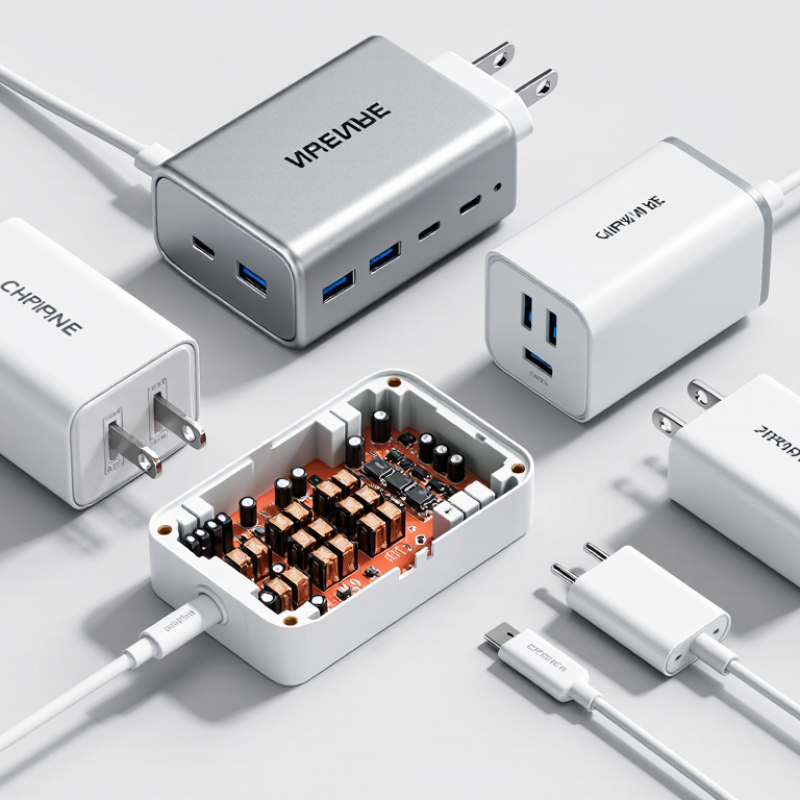
A high-quality power charger made in China is defined by more than a polished shell or a low price. Durability begins with suitable internal components, stable solder joints, and insulation that stays intact through everyday use. Heat leaves clues. After repeated charging cycles, poorly managed warmth can shorten component life or make the casing uncomfortable to touch. A thoughtful design gives heat a path to escape while keeping electrical parts separated and protected.
Reliable production also depends on repeatable checks, not just a promising sample. A factory should track component batches and test output stability, temperature rise, and protection behavior under realistic loads. Clear inspection records make problems easier to trace. Still, a test bench cannot recreate every dusty socket, crowded travel bag, or years of plugging and unplugging. That gap deserves attention. Buyers can look for specific technical documentation, consistent workmanship, and honest limits on operating conditions. Small details matter: a firm connector, a strain-relieved cable, and a case with no sharp seams. No single feature proves long life, but careful design and verifiable quality control offer stronger evidence than appearance alone.
A charger’s durability depends on more than its outer shell. Heat stresses internal components, especially power semiconductors and electrolytic capacitors. IEC TR 62380’s reliability-prediction framework considers temperature, electrical stress, operating conditions, and component failure data. In practice, cramped layouts and blocked vents can trap heat around the transformer and circuit board. Small details matter. A capacitor operating near its temperature limit may age faster, though its rated lifespan and actual workload also matter.
Connectors and solder joints face a different kind of wear. USB-IF’s USB Type-C specification sets a 10,000-cycle insertion and removal endurance test for connector receptacles. That figure is a test benchmark, not a promise that every charger will last that long. Repeated cable strain can loosen joints or damage the cable before the connector reaches that limit. The circuit board’s copper paths, solder quality, and protection components also affect how well it handles heat and electrical surges. A useful but imperfect rule: check heat, cable strain, and connector fit together, rather than judging durability by weight or appearance alone.
China Top Power Chargers: What Affects Their Durability?
Heat, voltage, and power load all shape a charger’s service life. Inside the case, switching components and capacitors warm up during use. A commonly used capacitor-life estimate suggests that reducing operating temperature by 10°C can roughly double its expected life. Treat this as a rule of thumb, not a guarantee; real results depend on component quality and use. IEC 62368-1 addresses electrical and thermal safety, but passing a safety test does not predict years of service.
Power demand matters, too. The U.S. Department of Energy’s external power supply test procedure measures efficiency at 25%, 50%, 75%, and 100% load. At sustained high output, conversion losses become heat, especially when airflow is blocked or a charger sits under a pillow. Voltage also counts: unstable input or repeated surges can stress internal parts. Use a suitable outlet, and avoid covering a warm charger. Small habits help, though they cannot fix poor design.
Tips: Keep the charger in open air. Unplug it if its case becomes unusually hot, smells burnt, or makes a new buzzing sound. A little warmth is normal; persistent heat deserves attention.
| Factor | Typical Condition or Range | How It Can Affect Service Life | Practical Guidance |
|---|---|---|---|
| Ambient temperature | About 20–25°C is a common indoor reference; 35–40°C is a hotter operating environment. | Higher ambient temperatures leave less room for the charger to shed heat. Heat-sensitive components, especially electrolytic capacitors, may age faster. | Keep the charger in a ventilated area and away from heaters, direct sunlight, and other heat-producing equipment. |
| Internal temperature rise | Internal component temperatures can be substantially higher than the surrounding air, particularly during sustained high-load operation. | Capacitor life is strongly temperature-dependent. A commonly used engineering rule of thumb is that a 10°C reduction in a capacitor’s operating temperature can approximately double its expected life, subject to the component’s specifications and actual conditions. | Avoid covering the charger or placing it in an enclosed space. Case temperature alone does not reveal the temperature of every internal component. |
| Input voltage | Use only within the input range printed on the charger. Some universal-input models are rated for 100–240 V AC, 50/60 Hz; this range does not apply to every model. | Operation within the specified range is part of normal use. Voltage outside that range, severe surges, or repeated brownouts can stress input circuitry and may cause failure. | Check the input rating before use. Where supply surges are a concern, use a properly rated surge-protection device. |
| Output power load | Continuous operation near the charger’s rated maximum output produces more heat than a moderate load. | Higher load generally increases power-conversion losses and component temperature. Repeated overload can trigger protection or cause excessive stress. | Match the charger’s rated output to the device’s requirements. Do not exceed its stated voltage, current, or power limits. |
| Ventilation and placement | Open space around the charger allows heat to dissipate; tight enclosures and soft furnishings can restrict airflow. | Restricted airflow can raise operating temperatures even when room temperature is moderate, accelerating thermal aging. | Keep vents unobstructed and avoid placing the charger under bedding, cushions, or piles of objects. |
| Repeated heating and cooling | Frequent cycles between heavy use and cooling, or repeated plugging and unplugging, create temperature and electrical transitions. | Repeated thermal expansion and contraction can contribute to long-term stress on solder joints and other connections. The effect varies with design and usage. | Use a suitable charger for the device and avoid unnecessary rapid switching or repeated movement of the plug and cable. |
| Dust, moisture, and physical damage | Dust can accumulate around openings; moisture, drops, and cable strain are abnormal operating conditions. | Contamination and physical damage can impair insulation, connections, or heat dissipation and may create a safety hazard. | Keep the charger dry and clean. Stop using it if the casing, plug, or cable is cracked, loose, unusually hot, or damaged. |
Note: These are general engineering guidelines, not a guaranteed lifespan estimate. Actual durability depends on the charger’s design, components, manufacturing quality, environment, and use. Follow the ratings and safety instructions printed on the individual charger.
A charger’s long-term reliability starts with the materials around its electrical components. A sturdy, heat-resistant housing can better withstand warm operating conditions and everyday knocks. Inside, copper conductors carry current, while soldered joints connect components on the circuit board. Heat leaves clues. Discolored plastic, loose ports, or a frayed cable may signal stress, though appearance alone cannot confirm a fault.
Manufacturing quality determines whether good materials perform consistently. Evenly formed solder joints help maintain stable connections; tiny gaps or excess solder can create weak points. A firm cable strain relief matters too. It reduces bending where the cord meets the plug, a spot that often flexes during daily use. Careful assembly also keeps components positioned as designed, with enough space to manage heat. Small details matter.
Reliable production includes checks under electrical load and inspection for loose parts, uneven seams, and damaged insulation. These steps can reveal defects before a charger reaches regular use, but they cannot guarantee that every unit will last. Storage, handling, and frequent plugging all affect wear. A thicker casing may feel reassuring, yet it says little about hidden joints or temperature control. That is an imperfect shortcut, and one worth questioning when judging durability.
How materials and manufacturing influence long-term reliability
Higher electrical conductivity can help reduce resistive heating in conductive parts, but it does not by itself determine charger lifespan. Contact design, component quality, assembly consistency, and thermal management also matter. Values shown are typical approximate conductivity relative to the International Annealed Copper Standard (IACS); actual brass and stainless-steel values vary by alloy and grade.
Charger durability depends partly on what happens between charging sessions. Heat is a quiet enemy: avoid covering a power adapter with bedding or leaving it in direct sun, especially while charging. Unplug by holding the plug, not tugging the cable, and keep the connector free of pocket lint. Small habits matter. A cable bent sharply beside its plug may fail long before the adapter does.
USB-IF’s USB Type-C Cable and Connector Specification sets a 10,000-cycle durability requirement for the connector interface. That is a laboratory benchmark, not a promise that every complete charger will last that long; heat, impact, and poor cable handling still matter. IEC 60512-9-1 describes endurance testing for electrical connectors, reinforcing that repeated mating is only one part of reliability. Check cables for split insulation, loose plugs, or unusual warmth, and replace damaged parts rather than continuing to use them. Even careful users cannot prevent every failure. A cable can weaken inside its jacket, where the damage is hard to see. It is easy to blame the adapter, though daily handling may be the real cause.
Heat, electrical stress, and daily handling all matter. A sturdy shell helps, but hidden components matter too.
Heat can stress capacitors and power components. A cramped layout or blocked vents may trap warmth around the circuit board.
Not necessarily. Weight and appearance cannot reveal weak solder joints or poor heat control. That shortcut can mislead.
Look for discolored plastic, a loose port, damaged insulation, or a frayed cable. These clues suggest stress, but do not confirm a fault.
Repeated bending near the plug can weaken the cable or its connections. A firm strain relief helps reduce that stress.
Some receptacles are tested against 10,000 insertion and removal cycles. It is a benchmark, not a promise for every charger.
Even solder joints, secure components, and careful spacing can support reliable operation. Tiny gaps can become weak points.
No. Load checks and visual inspections may catch defects, but storage, handling, and frequent plugging still affect wear. Some uncertainty remains.
A high-quality power charger is defined by more than its charging speed. Its internal components, including the transformer, circuit board, and protective systems, affect how reliably it handles everyday use. What factors affect the durability of power chargers? Heat buildup, unstable voltage, and sustained heavy power loads can place extra stress on components and shorten service life. Well-chosen materials, careful assembly, and effective quality control help reduce these risks and support long-term performance.
Everyday habits matter, too. Keeping a charger in a cool, dry, well-ventilated place, avoiding unnecessary strain on its cable, and disconnecting it when it is not needed can help limit wear. Regularly checking for unusual heat, damage, or loose connections also helps identify problems early. By combining sound design and manufacturing with sensible use and basic maintenance, users can help their chargers remain dependable for longer.

Laisen Electronic