How to Choose the Right Car Charger for Your Devices?

Time:2026-06-01 Author:Amelia
0%

Choosing the right car charger can be daunting. With many devices on the market, how do you select the best one? Understanding how to choose a car charger for different device types is essential for seamless charging on the go.

Many factors influence your decision. Compatibility with devices is paramount. Chargers vary significantly in voltage and amperage. Selecting one that suits your specific device is crucial. For instance, a smartphone charger may not suffice for a tablet. This mismatch can lead to slower charging or even damage your device.

Additionally, consider the charger's build quality. Not all chargers are created equal. Some offer faster charging but lack durability. It's also important to read user reviews. Past experiences from others can guide your choice. Ultimately, making a well-informed decision not only enhances your charging experience but also keeps your devices safe from potential risks.
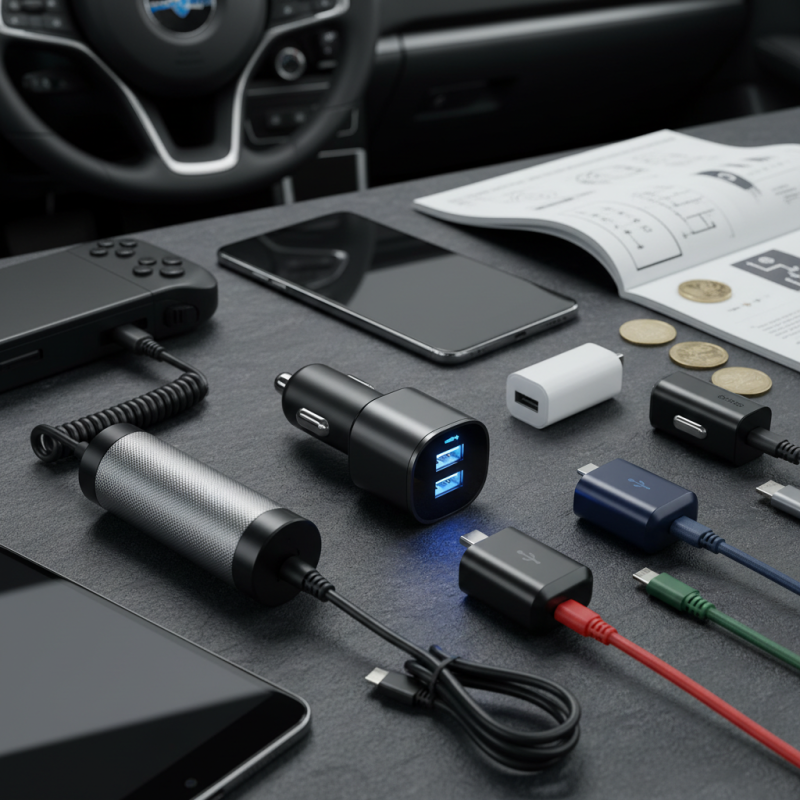
How to Choose the Right Car Charger for Your Devices?

Understanding Your Device Charging Needs

Choosing the right car charger requires an understanding of your devices' charging needs. Not all devices charge the same way. According to a report by the Consumer Technology Association, over 60% of smartphone users struggle with compatibility issues. This highlights the importance of knowing your device's specifications.

For example, many smartphones utilize fast charging capabilities. These devices require chargers that can deliver higher wattage. Some can take up to 18W or more. Meanwhile, wireless earbuds often need just a fraction of that power. And, let's not forget about compatibility. A charger rated for fast charging may include a Type-C port but could still fail with older devices.

Assess your daily usage patterns. Are you frequently in need of charging on the go? If so, a higher-capacity car charger will save you time and frustration. However, the right charger isn't only about power. It should also be safe. Reports indicate that poor-quality chargers can lead to overheating, which can damage your devices. Therefore, selection should involve both power and reliability. Aim for options with built-in safety features.

Types of Car Chargers Available on the Market

When selecting a car charger, it’s essential to understand the types available. USB car chargers are the most common. They use a standard USB port for charging devices. Many models provide multiple ports, allowing several devices to charge simultaneously. This feature is convenient for families on the go.

Another option is a fast car charger. These chargers utilize advanced technology to charge devices more rapidly. If you’re often in a hurry, this type can be beneficial. However, not all devices support fast charging. It’s crucial to check compatibility before purchasing.

Moreover, wireless car chargers are gaining popularity. They provide a cable-free charging experience. Simply place your device on the charger, and it begins charging automatically. This can reduce wear on charging ports. However, they may not be as efficient as wired chargers.

Consider the amperage and voltage ratings when shopping. A higher amperage means faster charging. Yet, using a charger with too high of an output can risk damage to your devices. Balance convenience with safety for the best results.

Key Features to Look for in a Car Charger

When selecting a car charger, certain features are crucial to consider. Fast charging capability is one of them. Look for chargers that support quick charge technology. This can significantly reduce the time required to power up your devices.

Another important feature is build quality. A durable charger can withstand daily wear and tear. Check for a robust design that can handle vibrations and bumps while driving. An indicator light can be useful too. This small addition shows when the charger is active.

Port numbers are vital as well. Multiple USB ports mean you can charge several devices simultaneously. However, not all ports offer the same power output. It’s wise to know the power specifications for each. Balance affordability with these features to avoid disappointment. Opting for an inexpensive option may sometimes lead to performance issues.

Compatibility with Different Devices and Brands

Choosing the right car charger requires understanding compatibility across different devices and brands. According to a recent industry report, over 85% of consumers have experienced issues with chargers not being compatible with their devices. These challenges can arise from varying power requirements and connector types. It's important to know your device's charging specifications to avoid frustration.

When selecting a car charger, consider the type of connectors needed. Many devices use USB-C, while others might rely on Micro-USB or Lightning connectors. Compatibility also extends to power output. For instance, some smartphones may require at least 18W for fast charging, while tablets typically need 30W or more. A charger that lacks adequate output can lead to slower charging times or, worse, damage to the device over time.

Research shows that many consumers overlook these factors. A study indicated that nearly 40% of users had chargers that did not match their devices' required specifications. This not only hampers efficiency but can also lead to costly replacements. Taking the time to evaluate your specific needs will result in a much more reliable charging experience.

Safety Considerations When Choosing a Car Charger

When selecting a car charger, safety considerations are paramount. Research from the International Electrotechnical Commission highlights that overcharging can lead to overheating. In fact, 30% of smartphone battery failures stem from unsafe charging practices. This underscores the importance of using chargers with built-in safety features.

Look for chargers that have overcurrent, overvoltage, and short-circuit protection. These features can significantly reduce the risk of damage to your devices. According to a report by the Consumer Technology Association, chargers that meet safety certification standards are 50% less likely to cause battery issues. Utilizing certified chargers not only protects your devices but also enhances user trust.

Be mindful of the charging speed as well. Fast charging can be tempting, but it may generate excessive heat. A study conducted by Battery University found that fast charging can reduce long-term battery performance by 20%. Balancing speed and safety is crucial. Regularly inspect your chargers for wear and tear, as damaged cables can pose serious risks.

FAQS

: What factors should I consider when choosing a car charger?

: Consider your device's specifications and charging needs. Compatibility and charging power are crucial.

Can I charge multiple devices at once?

Yes, many chargers have multiple ports. Just check the power output for each port.

What is fast charging, and do all devices support it?

Fast charging uses higher wattage for quicker charging. Not all devices support this feature.

Are wireless car chargers efficient?

Wireless chargers offer cable-free convenience but may not charge as quickly as wired options.

How important is build quality in car chargers?

A durable design can resist daily wear. Look for sturdy chargers to avoid damage while driving.

What safety features should I look for in a charger?

Opt for chargers with built-in safety features to prevent overheating and damage to devices.

How can I avoid compatibility issues with chargers?

Always check device specifications and compatibility before purchasing a charger.

Is a higher amperage better for charging?

A higher amperage allows for faster charging, but too high can damage your devices. Proceed with caution.

What should I think about if I want to save money on a charger?

Balance affordability with essential features. Cheaper options might lead to performance problems.

Can poor-quality chargers damage my devices?

Yes, low-quality chargers can cause overheating and other issues, potentially harming your devices.

Conclusion

When considering how to choose a car charger for different device types, it's essential to first understand your specific charging needs based on the devices you use. Different devices, such as smartphones, tablets, and other gadgets, may have varying power requirements and charging speeds, which influence the type of car charger you should select.

Additionally, the market offers a variety of car chargers with distinct features, including multiple ports, rapid charging capabilities, and built-in safety mechanisms. Ensuring compatibility with your devices is crucial; select a charger that supports different brands and models. Safety considerations, such as overcurrent protection and temperature control, should also factor into your decision. By evaluating these elements, you can make an informed choice that meets your device charging needs effectively while on the go.

Amelia

Amelia

Amelia is a seasoned marketing professional with a wealth of expertise in our company’s core offerings. With an unwavering passion for driving growth and innovation, she plays a pivotal role in shaping our marketing strategies and enhancing brand visibility. A key aspect of her responsibilities......