Power adapters and chargers are crucial for our daily electronic needs. They provide the energy necessary to keep our devices functioning. However, many users overlook their maintenance. Knowing how to maintain power adapters and chargers can extend their lifespan and improve performance.
Improper care can lead to overheating or even damage. Regular inspections can spot issues early. Ensuring your chargers are not exposed to extreme temperatures is vital. Dust buildup can also be problematic, so keeping these devices clean is important.
It’s easy to take chargers for granted. Yet, thoughtful usage and simple maintenance measures can make a difference. Understanding the best practices for care can prevent future issues. Emphasizing maintenance ensures safety and reliability for our devices.
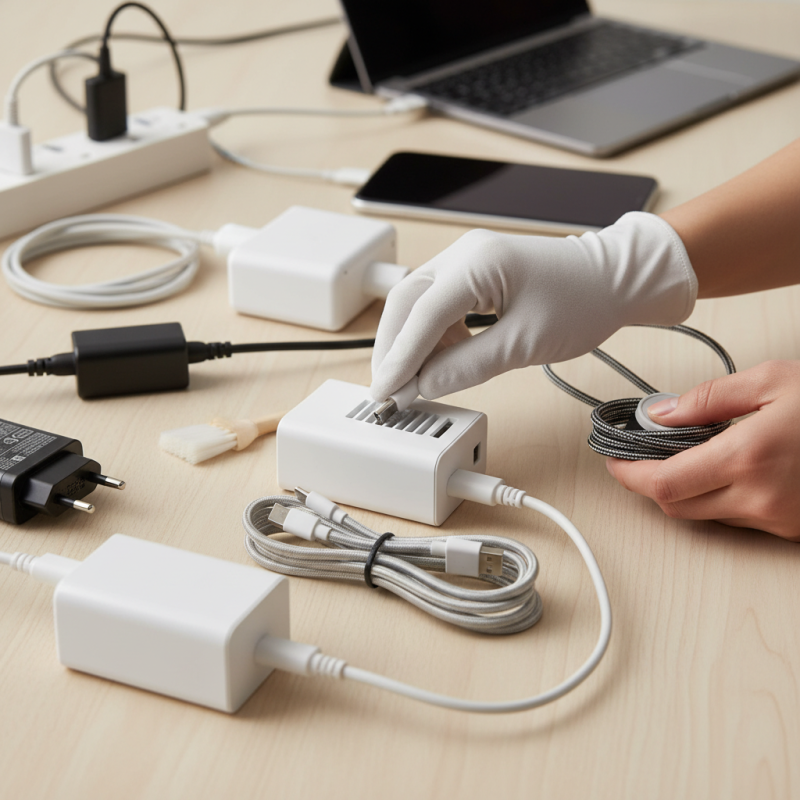
Power adapters and chargers come in various forms, each serving specific devices. Understanding these types can help you maintain them better. For example, wall chargers are common for smartphones and tablets. They usually provide a steady output for quick charging. USB-C chargers are now popular across many devices. They facilitate fast data transfer along with charging.
Different devices may require distinct voltage and amperage. Using the wrong adapter can damage your device. It's crucial to check the specifications printed on your charger. Some adapters may also have interchangeable tips. This feature adds versatility, making them suitable for multiple devices. However, ensure that you select the correct tip for your gadget.
Chargers and adapters can wear down over time. Regularly inspect the cables for fraying or exposed wires. A well-maintained charger not only lasts longer but also ensures safety. Be aware of unusual heat during use; it may indicate an issue.
Keep your charging area free of dust and moisture. Simple care can extend the life of your power adapter significantly.
Maintaining power adapters and chargers can significantly prolong their lifespan. Proper usage and handling are crucial. One common mistake is to leave chargers plugged in for long periods. This can lead to overheating and performance issues over time. Instead, unplug them when not in use.
Investing in high-quality charging cables is also important. Cheap cables may save money upfront but can cause damage in the long run. Use cables that fit snugly in their ports. Loose connections can create friction, which may damage both the charger and the device.
Tips for maintaining your chargers:
- Avoid wrapping cables tightly around your charger. This can cause wear and tearing.
- Store chargers in a dry and cool place. Humidity can damage electrical components.
- Regularly check for signs of wear and tear. Frayed wires can pose safety hazards.
By following these simple practices, you can ensure your chargers work efficiently and safely.
Power adapters and chargers are essential tools in our daily lives. To extend their lifespan, regular maintenance is key. Avoiding overheating is fundamental. Keep the adapter in a cool area while charging. Direct sunlight or hot surfaces can cause damage over time. Make it a habit to unplug chargers when not in use. This simple step can prevent unnecessary wear and tear.
Inspecting cables for frays and tears is crucial. A damaged cable can not only risk device damage but also safety risks. If you see a wear spot, consider replacing the charging cable. Clean the adapter's ports with a dry cloth to avoid dust buildup. Dust can block connections and impair performance. However, be mindful of using liquids or aggressive cleaners, as these can cause more harm than good.
Storage matters too. When not in use, store chargers in a place that protects them from excessive bends or pressure. Misplacement is common and can lead to tangled cables, adding stress on connectors. Reflecting on personal habits can be enlightening. Consider how carelessness contributes to quicker device failure. Recognizing these details leads to better maintenance practices.
When it comes to chargers, recognizing signs of wear is crucial. Look for frayed cords or exposed wires. Such damage can lead to electrical hazards. If you notice frequent disconnections, this might be a sign of a faulty connection. Inspect the plug for any signs of melting or excessive heat, which can indicate deeper issues.
If your charger has become unresponsive or takes longer to charge your device, it may need replacing. Sometimes, chargers lose their efficiency over time. Consider how often you bend or twist the cord; this can shorten its lifespan. Also, check for any unusual smells. A burning smell is a clear signal to stop using the charger immediately.
Neglecting these signs can lead to dangerous outcomes. Always prioritize safety when using chargers. It's better to invest in a new one than to risk damaging your device or creating a fire hazard. Charging equipment can be deceptively fragile, and awareness is key to maintaining them effectively.
When it comes to storing power adapters and chargers, organization is key. Using small bins or boxes can keep each adapter separate. Labeling these containers makes it easy to find what you need. This is especially helpful when you have multiple devices. It’s important to remember that tangles can cause wear and tear.
Consider a dedicated drawer for your charging accessories. Make sure this space is dry and free from excessive heat. This will prolong the life of the adapters. Avoid storing them in cramped spaces like bags. Dust and dirt can accumulate, which might affect functionality. Using cable ties or Velcro straps can help manage cords and eliminate clutter.
Reflecting on storage habits is vital. Many people neglect their chargers until they stop working. Regularly checking on their condition can prevent sudden failures. Look for frays or cracks in cords. Assess whether your storage approach needs improvement. Assessing your methods can ensure your chargers remain in optimal condition.
: Wall chargers are common for smartphones and tablets. They provide steady output for quick charging.
Different devices require specific voltage and amperage. Using the wrong adapter can damage your device.
Look for frayed cords, exposed wires, or frequent disconnections. These indicate potential hazards.
Avoid overheating, inspect cables for damage, and unplug chargers when not in use.
Store chargers in a place protecting them from bends or pressure. This prevents cable stress.
A burning smell signals deeper issues. Stop using the charger immediately for safety.
Dust can block connections and impair performance. Clean the adapter's ports with a dry cloth.
Excessive bending or twisting of cables can shorten their lifespan. Reflect on personal habits.
Regular checks for frays or tears can prevent safety risks and device damage.
If a charger takes longer to charge the device, it may need replacing.
This article explores how to maintain power adapters and chargers effectively by examining their different types and functionalities. Understanding the variations in power adapters and chargers is crucial for ensuring optimal performance and longevity. Best practices for usage include avoiding extreme temperatures and ensuring proper connection during charging. Routine maintenance tips, such as regularly inspecting cables and connectors for damage, can significantly extend their lifespan.
Furthermore, recognizing signs of wear, such as frayed wires or inconsistent charging, is essential for knowing when to replace your chargers. Lastly, safe storage solutions help prevent damage when adapters and chargers are not in use. Overall, this guide offers comprehensive insights on how to maintain power adapters and chargers, ensuring they remain functional and reliable over time.

Laisen Electronic