In the rapidly evolving world of technology, power adapters play a crucial role in our daily lives. As devices become more advanced, understanding what factors affect the charging speed of power adapters is essential. The evolution of charging technology introduces new variables that influence performance. For example, the output voltage and amperage of a power adapter significantly impact charging efficiency. High-capacity batteries also demand special consideration in this context.
Additionally, the type of charging cable used can affect the overall speed. Some cables support higher data transfer rates and enable rapid charging features. Environmental conditions, such as temperature, also play a role. Extreme heat or cold can hinder performance, leading to inconsistent charging speeds.
However, this complexity can lead to confusion among consumers. Not everyone is aware that not all adapters are created equal. Many users might use incompatible chargers, which diminishes performance. Exploring what factors affect the charging speed of power adapters is vital for optimizing device usage. User education is necessary to avoid common pitfalls and improve charging efficiency.
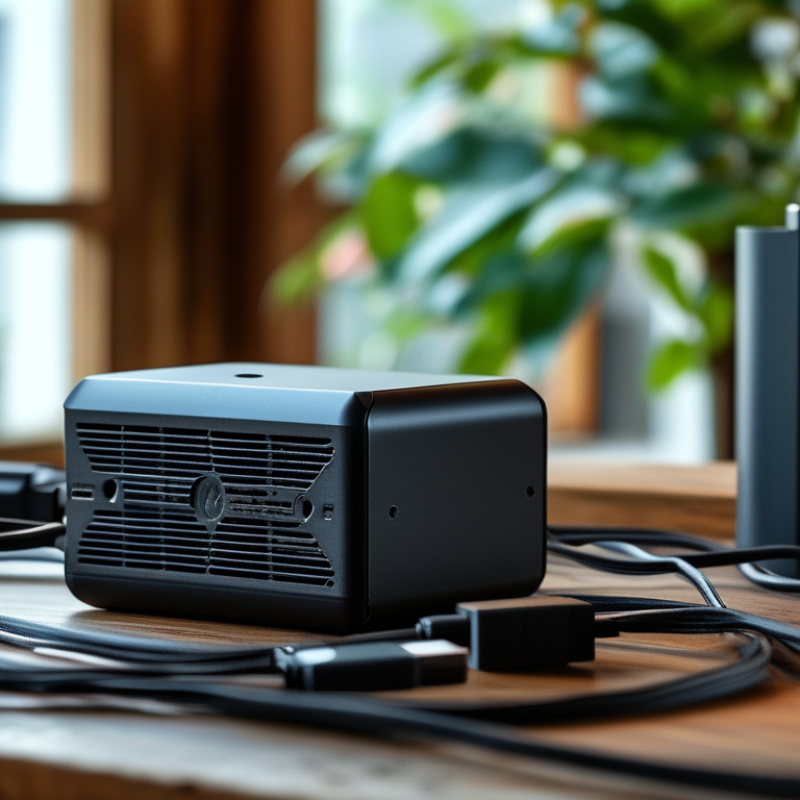
In 2026, various factors significantly influence the charging speed of power adapters. One primary factor is the wattage output of the adapter. Higher wattage allows for faster charging. However, not all devices can handle high wattage. This creates a mismatch in charging ability, resulting in slower speeds for certain models. Additionally, the quality of the charging cables plays a crucial role. Poor-quality cables can lead to energy loss and slower charging times.
Another key influence is the technology used in the adapter and the device itself. Fast charging technology has evolved, but compatibility issues remain prevalent. Some devices may not support the latest protocols, limiting their charging speeds. Furthermore, the battery’s health is a critical aspect. An aging battery may not accept charge efficiently, leading to longer wait times. The ambient temperature can further complicate this. Extreme heat or cold can hinder charging performance, causing devices to throttle their charging speeds to protect their batteries.
Reflecting on these elements reveals complexities in charging technology. Many users may not understand the limitations of their devices. They expect rapid charging without recognizing the underlying factors. Education on these topics is vital for users to optimize their charging experience. It’s essential to raise awareness about the importance of compatibility and equipment quality.
| Factor | Impact Level (1-10) | Description |
|---|---|---|
| Adapter Output Power | 9 | Higher output power results in faster charging times. |
| Device Compatibility | 8 | Devices must support the adapter's power specifications for optimal charging. |
| Cable Quality | 7 | High-quality cables with proper gauge can handle more current, improving speed. |
| Temperature | 6 | Extreme temperatures can slow down charging for safety reasons. |
| Battery Health | 8 | Deteriorated batteries may not accept charge as efficiently. |
| Charging Protocol | 9 | Advanced protocols like Quick Charge or Power Delivery can significantly enhance speed. |
| Voltage Regulation | 7 | Stabilized voltage is crucial for maintaining efficient charging rates. |
: Higher wattage generally means faster charging. However, devices have limits on how much wattage they can handle.
Poor-quality cables can lead to energy loss, resulting in slower charging times. Always choose high-quality cables for better performance.
Not all devices support the latest fast charging technologies. Incompatibility can limit charging speeds significantly.
An aging battery may not charge efficiently, leading to longer wait times. Battery condition is crucial for optimal charging.
Optimal charging occurs between 20°C to 25°C. Extreme temperatures can slow down charging and affect battery life.
High humidity can cause condensation, which negatively affects connections. Dust can also obstruct charging ports and slow down the process.
Users should check power output ratings and efficiency ratings. Mismatches between devices and adapters can lead to frustration.
Keeping charging ports clean is vital. Dust and debris can hinder connections, resulting in slower charging times.
Ignoring factors like cable quality and environmental conditions can lead to inefficiencies. This may result in longer charging times than expected.
Users should read reviews and information on compatibility and efficiency. Understanding these aspects can improve their charging experience.
In 2026, various factors significantly affect the charging speed of power adapters. One of the primary influences is advancements in charging technology, which have led to faster and more efficient charging methods, allowing devices to draw power more rapidly without compromising safety. Additionally, the chemistry of batteries plays a crucial role in determining charging efficiency, as different battery types can handle varying levels of power output, impacting overall charge time.
Moreover, the power output ratings of adapters are essential for performance, as higher ratings typically result in quicker charging speeds. Lastly, environmental conditions, such as temperature and humidity, can affect the effectiveness of charging processes, further influencing how quickly a device can be charged. Understanding these variables provides insight into what factors affect the charging speed of power adapters, ensuring users can optimize their charging experiences.

 Laisen Electronic