Charging devices play a crucial role in our daily lives. However, charger issues can lead to frustration. According to a recent report by the Consumer Electronics Association, nearly 30% of users encounter charger malfunctions annually. These malfunctions vary in nature, impacting device performance and user experience.
Dr. Emily Carter, an expert in electronics repair, states, "Understanding how to troubleshoot common charger malfunctions can save time and money." Her insight highlights the importance of addressing issues quickly rather than waiting for professional help. Often, simple problems can be resolved with basic troubleshooting steps.
In today's fast-paced world, downtime is not an option. Users must recognize common symptoms of charger problems. Poor connectivity, unusual heat, and worn-out cables are notable signs. Addressing these issues promptly can enhance device longevity and user satisfaction.
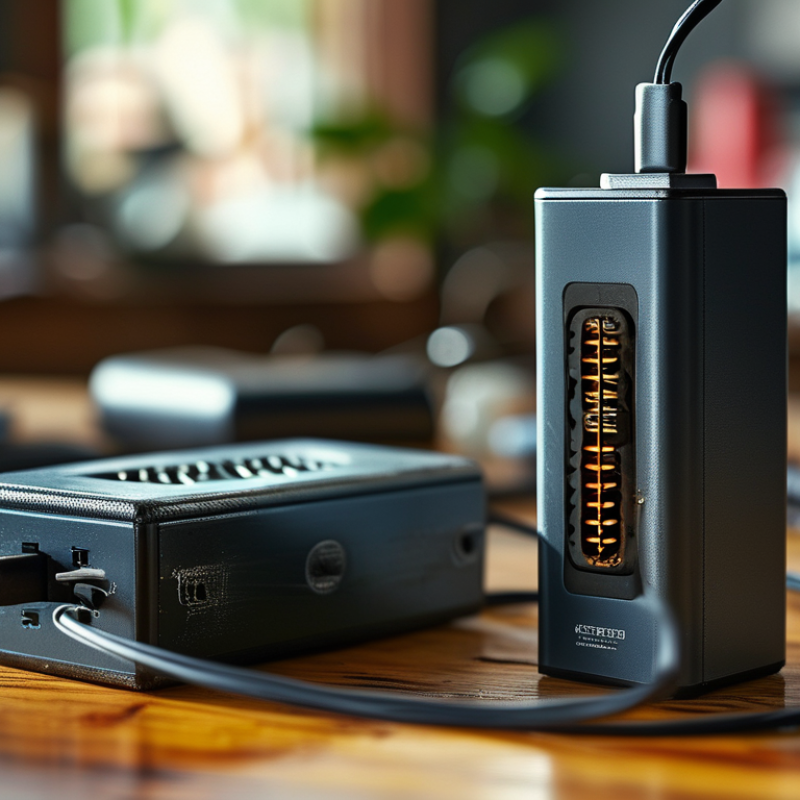
When it comes to electronic devices, chargers often face issues that hinder their performance. Identifying these problems early can save time and frustration. A common issue is loose connections. Inspect the cable ends and the charging port. Dirt or debris can make a good connection challenging. Even a small particle can disrupt charging.
Another frequent problem is frayed or damaged cables. Look for any visible signs of wear, particularly near the connectors. A damaged cable might still charge intermittently, leading to confusion. In some cases, the charging block may also malfunction. Testing with another charger can help pinpoint the issue.
Sometimes devices act finicky without a clear issue. If a charger works for one device but not another, the problem may lie within the device. Software issues can also impact charging efficiency. Restarting the device might resolve such glitches. Remember to reflect on how often you replace chargers. Frequent replacements might indicate deeper problems with your devices.
When facing charger issues, the first step is to check your power sources. Start with the wall outlet. Make sure it is working properly. Plug in another device or lamp to verify the outlet’s functionality. If that device doesn’t power on either, the outlet might need attention. If it works, your outlet is likely not the issue.
Next, examine any power strips or surge protectors. Sometimes, these devices can malfunction. Unplug your charger from the strip and connect it directly to the wall outlet. This simple change can often resolve charging problems. If your charger still doesn’t work, test a different charger with the same outlet. This can help identify whether the problem lies with the charger itself or the outlet.
Don’t overlook the cord itself. Inspect it for any signs of fraying or damage. A small nick can prevent proper charging. Gently tug on the cord near both ends to see if any parts feel loose or detached. If so, it may require replacement. These checks can save you time and frustration. Address these simple issues before seeking professional help.
Inspecting cables and connectors is crucial for resolving charger problems. Over time, wear and tear can take a toll on these components. Look closely at the charging cable for frays or cuts. Even a small nick can impact functionality. Damaged connectors can also hinder charging. Ensure they are free of debris and are not bent or broken.
A magnifying glass may help identify minor issues. Pay attention to the ends where cables meet the connectors. This area often experiences the most stress. If the connector is loose, it may not establish a proper connection. Ensuring a snug fit can prevent annoyance during charging.
Sometimes, the problem lies in the charger’s internal wiring. This isn't easy to check without tools. If you've inspected the visible parts and still face issues, consider consulting a professional. Reflect on how often you use your charger. Regular inspections can save you time and money in the long run. Don’t overlook these simple checks; they might reveal bigger problems hiding in plain sight.
| Issue | Symptoms | Solution | Estimated Fix Time |
|---|---|---|---|
| Frayed Cable | Intermittent charging, exposed wires | Replace the cable or use electrical tape to secure the frayed part | 5 minutes |
| Loose Connector | Charging stops when the cable moves | Inspect and clean the connector; if damaged, replace it | 10 minutes |
| Overheating | Device becomes hot during charging | Unplug, let cool, and check for debris in ports | 15 minutes |
| Slow Charging | Takes longer than usual to charge | Use a different outlet and ensure the cable is undamaged | 5 minutes |
| Broken Plug | Plug is bent or completely broken | Replace the plug or entire charger | 20 minutes |
When troubleshooting charging port issues, it’s essential to approach the problem methodically. Dust and debris can clog the charging port and obstruct the connection. Inspect the port closely; use a flashlight to check for visible buildup. A simple cleaning with a soft brush or a can of compressed air may help. Gently insert a toothpick to dislodge any stubborn particles, but exercise caution to avoid damage.
If cleaning doesn’t resolve the issue, check the alignment of the charging cable. A loose connection often signifies a problem with the port or the cable itself. Try using a different cable to identify if the issue persists. If the device charges only at specific angles, the port may be worn down. Frequent use can lead to physical wear, necessitating professional repair.
Sometimes, a software glitch can mimic charger issues. Restarting your device can clear temporary faults. Ensure the device's software is up to date. Such steps can sometimes reveal deeper issues. This exploration may be frustrating, but careful inspection often leads to the solution needed to restore your device.
When charging issues arise, alternative methods can save the day. If your charger isn’t working, try connecting your device to a USB port on your computer. This method is slow but can help in a pinch. Sometimes, a simple restart of your device can cure charging woes. It’s surprising how often this fix works.
Another option is using a different cable or plug. Not all cables are created equal. Some may look fine but aren’t effective. Testing with another charger can reveal whether it’s the cable or the device. Be aware that some cables only support data transfer, not charging. Always inspect connections for dust or debris; it can make a difference.
If you’re still in a bind, consider wireless charging. Depending on your device, this could be a lifesaver. Position your phone carefully on the pad; misalignment can prevent charging. While these quick fixes are useful, they’re not foolproof. Evaluation of the core problem is important. Does the device need repair? Addressing underlying issues ensures longevity.
: Loose connections and damaged cables are frequent problems. Dirt can disrupt good connections too.
Plug in another device or lamp. If it powers on, the outlet is likely functional.
The issue may lie in the device. Restart the device to rule out software glitches.
Look for frays or cuts along the cable. Small nicks can prevent proper charging.
Try another charger with the same outlet. This helps identify if the charger or outlet is faulty.
Frequent replacements may indicate deeper issues with devices. Regular inspections can save you money and time.
Inspect cables and connectors regularly for wear. Keep them free of debris and ensure snug connections.
A loose or broken connector may not charge properly. It might be time to consider a replacement.
They can malfunction. Always try connecting directly to the wall outlet for reliable charging.
Tug gently on both ends. If any parts feel loose, the cord might require replacement.
In today's fast-paced world, knowing how to troubleshoot common charger malfunctions is essential for maintaining the functionality of electronic devices. This guide covers several critical steps to quickly identify and resolve frequent charger issues. First, it's important to examine the power sources and outlets to ensure they are functioning properly. Next, inspecting cables and connectors for any signs of damage or wear can often reveal underlying problems.
Additionally, troubleshooting charging port issues directly on the devices themselves can lead to quicker solutions. In some cases, exploring alternative charging methods may provide temporary fixes, allowing you to charge your devices when standard methods fail. By following these steps, users can effectively tackle and resolve common charging problems with ease.

Laisen Electronic