In today's technology-driven world, the safety of our devices largely depends on the power adaptors we choose. Many of us blindly trust the adaptors that come with our gadgets. However, knowing "how to tell if a power adaptor is safe to use" is crucial for protecting both our devices and ourselves.
Consider the risks. Faulty adaptors can lead to overheating, device damage, or even electrical fires. Reading labels and checking for certifications can provide insights into quality. It's essential to recognize red flags, such as physical damage or unusual odors. These details often go unnoticed but can be vital.
Being armed with knowledge is empowering. By understanding the indicators of a safe adaptor, we can make informed decisions. Take the time to inspect and research adaptors, valuing safety over convenience. After all, a few moments of diligence can help prevent significant problems down the line.
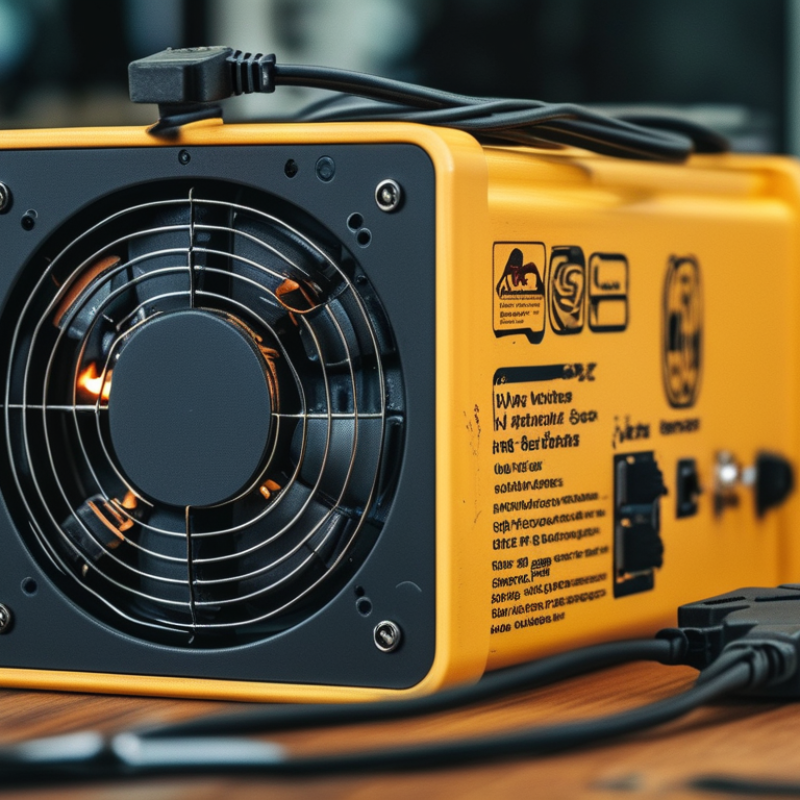
When choosing a power adaptor, it’s crucial to understand safety standards. Governments and organizations establish these standards to protect users. Adapters must meet specific criteria. Look for certifications such as UL, CE, or FCC. These marks indicate compliance with safety regulations.
Another key aspect is understanding voltage and current ratings. Adapters should match the requirements of the devices they power. Using an incompatible adaptor can lead to overheating or even damage. Read the specifications carefully. Sometimes, adaptors may seem similar yet differ in safety features. It's easy to overlook this.
Lastly, consider the physical condition of the adaptor. Inspect for frayed wires or cracks. A visually damaged adaptor may not adhere to safety standards. Remember, a safe adaptor not only protects your device but also ensures your personal safety. It's essential to stay vigilant and informed.
When choosing a power adaptor, labels and certifications are crucial. Look for the Underwriters Laboratories (UL) mark. This indicates the adaptor meets specific safety standards. Check for the CE marking as well, especially in Europe. It signifies compliance with health and safety regulations.
Be aware of certifications like ETL and FCC. These labels ensure reliable performance and minimal electromagnetic interference. Adaptor labels often include wattage specifications. Ensure your device's required wattage matches the adaptor's output. Mismatched values can lead to overheating or device damage.
Tips: Always inspect the cord for fraying. A damaged cord can pose serious risks. If you notice any strange smells or sounds, discontinue use immediately. Verify that the plug fits securely into outlets. A loose connection may cause sparks. Prioritize adaptors with visible safety ratings for peace of mind.
| Label/Certification | Description | Importance |
|---|---|---|
| UL (Underwriters Laboratories) | A safety certification indicating the product has been tested for risk of fire, electric shock, and other hazards. | High - Ensures compliance with safety standards in North America. |
| CE Marking | Indicates that the product meets EU safety, health, and environmental protection standards. | High - Required for products sold within the European Economic Area. |
| FCC (Federal Communications Commission) | Ensures the product does not cause harmful interference with radio communications. | Medium - Necessary for electronic devices in the USA. |
| GS (Geprüfte Sicherheit) | A German safety certification that signifies the product has been tested for safety. | High - Recognized in Germany and beyond for safety assurance. |
| RoHS (Restriction of Hazardous Substances) | Indicates compliance with regulations limiting specific hazardous materials in electrical and electronic equipment. | High - Important for environmental safety and compliance. |
When assessing whether a power adaptor is safe for use, compatibility is key. Devices require specific voltage levels to function correctly. According to the International Electrotechnical Commission (IEC), using an adaptor with the wrong voltage can damage both the device and the adaptor itself. For instance, a 12V device may be damaged if supplied by an 18V adaptor.
Voltage isn’t the only factor. The connector type is equally critical. A mismatched connector can lead to loose connections or short circuits. Reports suggest that over 40% of power failure cases stem from improper connectors. Always check compatibility charts before making a decision.
Testing an adaptor's rated output can also provide insights. Ensure it meets the required amperage. Insufficient current can lead to overheating, a common issue that compromises safety. Adapting to these specifics may require diligence, but it can prevent potential hazards. It’s a simple practice that enhances device longevity and user safety.
When assessing the safety of a power adapter, examining its physical condition and build quality is essential. A reputable study shows that 30% of electrical fires are linked to faulty power adapters. Thus, it's critical to scrutinize the exterior for any signs of damage, including cracks, frays, or burned areas. Inspecting the casing material can also provide insights into its durability. High-quality adapters often use robust materials that can withstand wear and tear.
Components such as plug pins should be straight and free from corrosion. Adapters with loose connections can result in overheating. According to industry experts, well-designed adapters should feel solid and not easily bend under pressure. Use a gauge to check if the adapter feels lightweight, as this might indicate inferior materials.
Another aspect to consider is ventilation. Adaptors should have ample vents to prevent overheating during use. Those with plastic casings often lack proper airflow, leading to potential hazards. Many users overlook these details, prioritizing functionality over safety. Regular inspections are essential, as wear can occur over time, and even well-made adapters can become dangerous if improperly maintained.
The chart above represents the inspection scores for various attributes of power adaptors. Each attribute is scored out of 10 based on its importance in determining the safety and reliability of the adaptor for use.
Power adaptors are crucial for the safe operation of our devices. Recognizing signs of wear or damage is essential. Look for frayed wires or exposed insulation. These issues can lead to short circuits or electric shocks. If you notice any cracks on the adaptor casing, it might indicate internal damage. This could compromise its safety.
Check for overheating during use. If the adaptor feels hot to touch, it may be malfunctioning. A burnt smell is another red flag. Always unplug adaptors when not in use, especially if they show signs of wear. Regular inspections are key to preventing accidents.
Ensure the adaptor's output matches the device requirements. An incompatible adaptor can cause serious problems. Signs of aging include discoloration or bulging. These damages often suggest that it’s time to replace the adaptor. While it’s easy to overlook these details, taking a moment to inspect can save lives. A little attention today can prevent costly and dangerous problems in the future.
: Labels indicate safety compliance and performance reliability. Look for marks like UL and CE.
Inspect for certifications like ETL and FCC. These ensure minimal interference and reliable performance.
Discontinue use immediately. Strange smells often indicate overheating or other issues.
Check that the adaptor's output matches your device's required wattage to avoid damage.
Look for frays, cracks, or burned areas on the exterior. Damaged cords pose serious risks.
A sturdy build prevents overheating and electrical fires. Lightweight adaptors may use inferior materials.
Ensure there are vent openings and monitor the adaptor during use for unusual heat levels.
Strong materials are essential. Avoid adaptors that feel flimsy or bend easily under pressure.
Regular inspections are crucial. Wear can occur over time, even in high-quality adaptors.
A loose connection can cause sparks. Consider replacing the adaptor for safety.
When considering "how to tell if a power adaptor is safe to use," it's essential to understand the relevant safety standards and regulations that govern power adaptors. Start by identifying labels and certifications on the adaptor, as these indicate compliance with safety requirements. Next, assess the compatibility of the adaptor with your devices, ensuring that the voltage and current ratings meet the specifications.
Additionally, inspecting the physical condition and build quality of the adaptor is crucial, as any signs of wear or damage could pose a risk during operation. By carefully evaluating these factors, you can make an informed decision about the safety of a power adaptor, ultimately ensuring both the longevity of your devices and user safety.

Laisen Electronic