Reduce Energy Consumption of Chargers and Adaptors Effectively?

Time:2026-05-22 Author:Henry
0%

In today’s tech-driven world, chargers and adaptors are essential. However, they often consume more energy than necessary. Understanding how to reduce energy consumption of chargers and adaptors is critical. This knowledge helps us save costs and protect the environment.

Numerous factors contribute to energy waste. Many users leave chargers plugged in, even when devices are fully charged. This simple act drains energy unnecessarily. Additionally, using outdated or low-quality adaptors can lead to increased power consumption. It’s vital to recognize these issues and take actionable steps.

Adopting energy-efficient chargers is one way to make a difference. Selecting devices with smart technology ensures they halt power supply when not in use. While some might think this is too complex, small changes yield significant results. Reflecting on our habits could illuminate paths to improvement. Together, we can foster a culture of energy conservation.
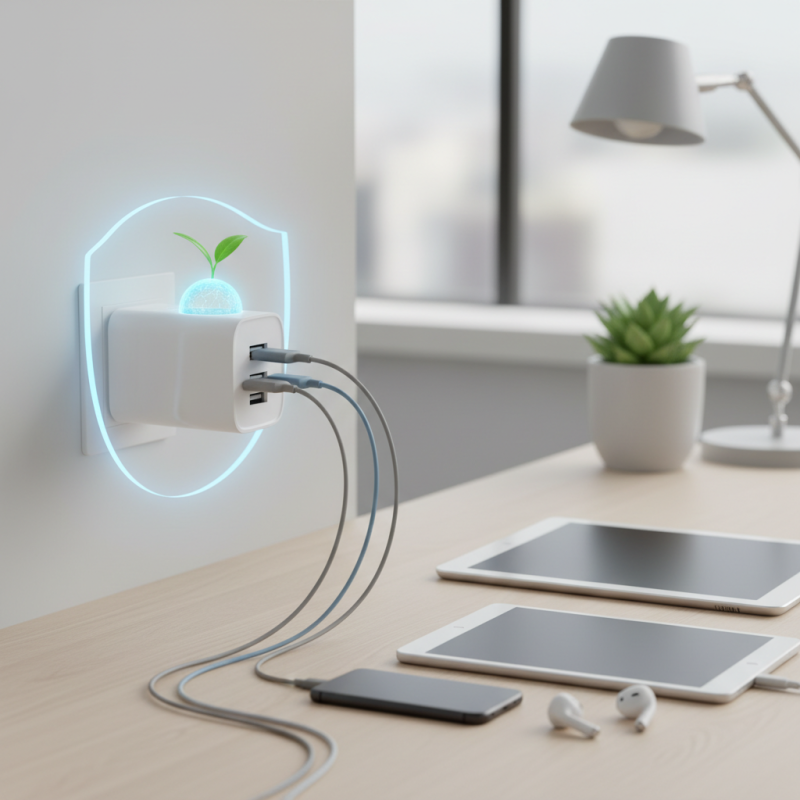
Reduce Energy Consumption of Chargers and Adaptors Effectively?

Understanding Energy Consumption in Chargers and Adaptors

Understanding energy consumption in chargers and adaptors is crucial. Many people overlook the energy used when devices are plugged in but not charging. This standby power, also known as vampire energy, can build up over time. If you leave multiple chargers connected, the wasted energy may surprise you.

To reduce energy consumption effectively, consider using smart power strips. They cut off power to devices that are fully charged. This simple switch can help eliminate unnecessary energy waste. Unplugging chargers when not in use is another easy practice. Even when not connected to a device, they still draw power.

Also, pay attention to energy ratings. Choose chargers with better energy efficiency. Opt for those labeled with Energy Star. They use less power and save you money in the long run. Keep in mind that high-quality adaptors can be an investment, but they often last longer and use energy more effectively. Reducing energy consumption starts with informed choices.

Identifying Key Factors That Influence Charger Efficiency

Charger efficiency is influenced by several key factors that impact energy consumption. One significant element is the design of the power supply circuit. Inefficient circuits can lead to energy losses. Studies show that poorly designed chargers waste up to 20% of energy during conversion. This inefficiency can accumulate, resulting in noticeable energy waste.

Another factor is the compatibility between chargers and devices. Using the correct charger for a device is crucial. Mismatched charger specifications can lead to increased energy loss. For instance, chargers with higher voltage ratings than needed may not efficiently transfer power. Reports indicate that mismatched charging can increase energy consumption by 15% to 25%.

Thermal performance also plays a role in charger efficiency. Excess heat generated during charging can indicate poor energy transfer. High temperatures may reduce the lifespans of both chargers and devices. A 2022 study found that maintaining optimal operating temperatures can improve efficiency by 10%. However, achieving balance is often challenging in rapid charging scenarios. Researchers emphasize the need for better cooling solutions in designs to enhance overall energy efficiency.

Strategies for Reducing Energy Use in Charging Devices

In recent years, the push for energy-efficient solutions has intensified. Chargers and adaptors are often overlooked in terms of their energy consumption. According to a study by the International Energy Agency, chargers account for about 10% of global electricity consumption from electronic devices. This statistic is alarming, as many chargers remain plugged in when not in use, wasting energy. Unplugging devices when they are fully charged can save up to $100 annually per household.

Utilizing smart chargers could significantly reduce energy waste. These chargers can detect when a device is full and cut off power. Reports indicate that using smart chargers can decrease energy use by up to 30%. Additionally, opting for energy-efficient adaptors that meet energy standards can lower energy consumption during charging cycles, promoting better practices. However, many consumers neglect to check for certification labels, leading to missed opportunities for savings.

It's essential to address energy vampire devices. Some chargers continue to draw power even when inactive. Studies reveal that devices in standby mode can waste up to 10 watts per hour. This accumulation over time can lead to substantial energy losses in households. Raising awareness of these issues is crucial for making more informed decisions about energy consumption in everyday life. Simple actions can lead to significant changes.

Innovative Technologies for Energy-Efficient Charging Solutions

Innovative technologies are shaping how we think about energy-efficient charging solutions. One key advancement is the use of smart chargers. These chargers adjust their power output based on the device's needs. They can reduce energy waste significantly. Many users often overlook this feature, leading to higher consumption.

Another technology is the development of energy-harvesting chargers. These devices can capture ambient energy. For instance, solar-powered chargers convert sunlight into electricity. This process not only reduces reliance on grid power but also provides a renewable option for users in various settings. Consider the locations where you typically charge your devices. Are they bright and sunny?

**Tips:**

Look for chargers with energy-saving features. They are designed to minimize power usage. If a charger is left plugged in, it may still draw energy. Unplugging devices when not in use can lead to substantial savings. Evaluate your charging habits. Are they efficient? Small changes can make a big difference.

Reduce Energy Consumption of Chargers and Adaptors Effectively? - Innovative Technologies for Energy-Efficient Charging Solutions

Technology Description Energy Savings (%) Deployment Status
Smart Charging Technology Automatically adjusts the power output based on device requirements. 30% Commercially Available
Wireless Charging with Efficiency Optimization Utilizes resonant inductive coupling to minimize energy loss during charging. 25% Under Development
Solar-Powered Chargers Harness solar energy to charge devices without grid electricity. 40% Commercially Available
Energy Harvesting Adapters Collects ambient energy to recharge devices, minimizing reliance on power grids. 20% Prototype Stage

The Role of Consumer Awareness in Reducing Energy Waste

Consumer awareness plays a crucial role in reducing energy waste associated with chargers and adaptors. According to the U.S. Department of Energy, electronic devices account for approximately 15% of residential energy use. A significant portion of this waste comes from chargers remaining plugged in when not in use, wasting an estimated $19 billion annually in the U.S. alone. By being mindful of energy consumption, consumers can take steps to mitigate this waste.

**Tip:** Unplug chargers when they're not in use. This simple action can save energy and lower your electricity bills.

Moreover, understanding energy ratings can help consumers choose more efficient products. The Energy Star program has revealed that energy-efficient chargers can reduce energy use by about 30%. Awareness of such standards empowers consumers to select products that are both sustainable and cost-effective. Unfortunately, many people overlook these ratings, leading to unnecessary energy consumption.

**Tip:** Look for the Energy Star label. It indicates a charger meets strict efficiency standards.

Reflecting on our choices is essential. While some consumers feel overwhelmed by the array of options, educating oneself can lead to informed decisions that benefit both the wallet and the planet. Simple lifestyle changes can create a significant positive impact.

This chart illustrates the average annual energy consumption of chargers and adaptors across various device types. Increased consumer awareness can lead to better energy efficiency and reduced energy waste.

FAQS

: What factors affect charger efficiency?

: Charger efficiency is influenced by the power supply design and compatibility with devices.

How much energy do poorly designed chargers waste?

Poorly designed chargers can waste up to 20% of energy during conversion.

Why is using the correct charger important?

The right charger prevents increased energy loss due to mismatched specifications.

How much extra energy can mismatched chargers consume?

Mismatched chargers can increase energy consumption by 15% to 25%.

What impact does heat have on charger performance?

Excess heat indicates poor energy transfer and can shorten both charger and device lifespans.

How can optimal temperatures improve charger efficiency?

Maintaining optimal temperatures can enhance efficiency by 10%.

What percentage of global electricity is used by chargers?

Chargers account for about 10% of global electricity consumption from electronic devices.

How can unplugging devices save money?

Unplugging fully charged devices can save up to $100 annually per household.

What is a smart charger?

A smart charger detects when a device is full and cuts off power automatically.

How much energy can smart chargers save?

Smart chargers can reduce energy use by up to 30%.

Conclusion

The article "Reduce Energy Consumption of Chargers and Adaptors Effectively?" explores the crucial issue of energy consumption in charging devices. It begins by providing a comprehensive understanding of how chargers and adaptors operate, revealing the key factors that influence their efficiency. By identifying aspects such as design, power output, and usage patterns, the article lays the groundwork for implementing strategies aimed at reducing energy use in these devices.

Moreover, it highlights innovative technologies that contribute to energy-efficient charging solutions, emphasizing the significance of consumer awareness in mitigating energy waste. Ultimately, the discussion concludes with practical insights on how to reduce energy consumption of chargers and adaptors, encouraging consumers to adopt best practices and consider emerging technologies that promote sustainability in everyday charging needs.

Henry

Henry

Henry is a dedicated marketing professional with a profound expertise in the company's offerings. With years of experience in the industry, he possesses an impressive understanding of the market dynamics and consumer behaviors that drive success. Henry is committed to sharing his insights through......