7 Tips to Identify High Quality Power Adapters and Chargers

Time:2026-11-13 Author:Oliver
0%

How to identify high-quality power adapters and chargers begins with a simple habit: look beyond the casing. A polished shell can hide poor voltage regulation, weak protection, or misleading specifications. A reliable charger should deliver its rated output steadily, even when a phone, tablet, or laptop draws more power. Small details matter. Check the printed output ratings, connector fit, cable condition, and whether the unit becomes unusually hot during normal use.

Power-electronics expert Dr. Robert W. Erickson, co-author of Fundamentals of Power Electronics, offers a valuable technical perspective through his work on converter design. I can’t verify a direct quotation from him about consumer chargers, so I won’t invent one. A practical takeaway from that field is this: “Judge an adapter by its measured performance, not its label.” That is an editorial summary, not a quote attributed to Erickson.

The tips ahead focus on evidence buyers can actually inspect: consistent output, suitable safety protections, sound construction, clear specifications, and credible testing information. They also explain why very low prices and vague packaging deserve a closer look. A few checks are imperfect; a label alone cannot prove quality. Still, careful comparison can help you avoid adapters that flicker, disconnect, or struggle under load. Use these signs as a starting point, then verify details against the device maker’s requirements.
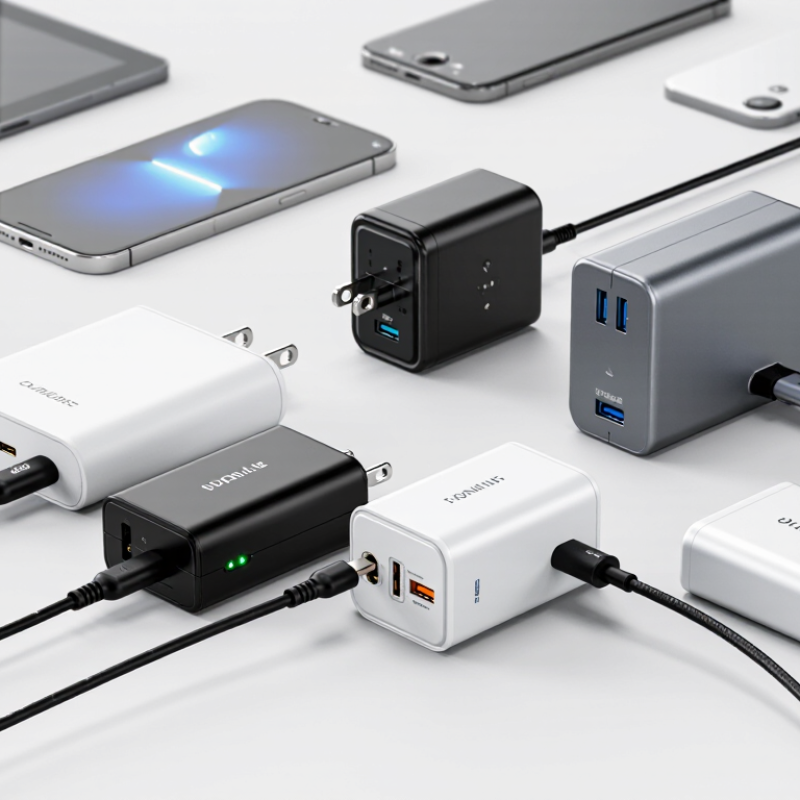
7 Tips to Identify High Quality Power Adapters and Chargers

Understanding Power Adapter Ratings and Output Specifications

Power adapter ratings tell you whether a charger can supply what your device needs. Read the output line, not just the large wattage printed on the case. For example, 5 V at 2 A provides up to 10 W. The voltage should match the device’s requirements, while the adapter’s current rating should meet or exceed them. A higher current capacity does not push extra current into a compatible device. That distinction matters.

Check the connector and polarity, too. A barrel plug may fit physically but still have the wrong polarity or voltage. For USB-C chargers, review the listed Power Delivery profiles; the device and charger must support a suitable shared profile. Some adapters also divide their maximum output across multiple ports. Tiny labels are easy to misread, even when the math is simple. I would verify the figures against the device manual rather than guess from appearance. Check the input range as well, especially when replacing an adapter. A clear label, matching specifications, and a secure connection are more useful than a high wattage number alone.

7 Tips to Identify High-Quality Power Adapters and Chargers

Understanding Power Adapter Ratings and Output Specifications

Compare the voltage, current, and calculated output power printed on an adapter. Output power in watts equals volts multiplied by amps; these common example ratings are illustrative, not a recommendation for a specific device. Always match the adapter’s output voltage and connector requirements to your device.

Checking Safety Certifications and Build Quality

A charger’s safety marks are useful clues, but the printed symbols alone do not prove that a unit was tested. Look for certification details tied to the exact model, then check them through the certifier’s public directory where available. The model number should match the label and product listing. Looks can mislead.

Read the label closely. It should state input and output ratings clearly, with no blurry print, spelling errors, or mismatched numbers. A genuine certification mark should be crisp and consistent with the certifier’s published guidance. If details are missing or hard to verify, choose another adapter. That small check is worth the time.

Build quality matters too. Inspect the cable where it joins the plug and adapter; firm strain relief should prevent sharp bending at the connection. The casing should fit evenly, with no gaps, loose parts, or rough seams. Prongs should sit straight and feel secure. I have sometimes judged a charger by its weight, but that is not a reliable test by itself. A heavier unit is not automatically safer. Stop using an adapter with cracks, unusual heat, buzzing, or a damaged cable, and replace it rather than trying to repair it.

Identifying Essential Electrical Protection Features

A charger’s safety depends on more than its output rating. Look for clear markings and built-in overcurrent, overvoltage, short-circuit, and overtemperature protection. These controls help limit faults before a cable, plug, or adapter becomes dangerously hot. Small details matter. Check that the casing has no gaps, loose seams, or sharp molding edges. A faint burnt smell or a plug that feels unusually warm deserves attention, not another night on the outlet. I still find printed safety claims easy to overtrust; labels alone cannot prove how a product performs.

The NFPA report Home Electrical Fires estimates that U.S. fire departments responded to an average of 46,700 home fires involving electrical failure or malfunction each year from 2015 to 2019. This figure covers many electrical causes, not chargers alone, but it shows why fault protection matters. For additional assurance, check whether the adapter was evaluated to a recognized safety standard, such as IEC 62368-1 or an applicable national equivalent. That standard addresses hazards including electric shock, fire, and excessive temperature. Also inspect the cable strain relief: it should grip the cord firmly where it enters the housing. Protection circuits are hidden, so buyers cannot verify them by sight. A credible test mark and traceable safety documentation offer better evidence than a dramatic “protected” claim on the packaging.

Verifying Device Compatibility and Connector Fit

A charger can look right and still be incompatible. Compare its output voltage with the device’s required input, using the device label or manual rather than guesswork. Current capacity matters too: the adapter should meet or exceed the device’s stated requirement. A higher current rating does not force extra current into a compatible device, but voltage and charging standards must match.

Check the connector closely. Measure a barrel plug’s outer and inner diameter if the fit is uncertain; a plug that nearly fits can still make intermittent contact. For USB-C, confirm that both the device and charger support the required power-delivery profile. The connector shape alone proves very little. No forcing it. A snug connection should sit evenly, without wobbling or exposed gaps.

Before regular use, inspect the cable and adapter for cracks, bent contacts, or unusual heat during charging. Stop if the device repeatedly disconnects or the plug becomes hot. I might be tempted to rely on a familiar-looking connector, but that shortcut can miss polarity or protocol differences. Compatibility tables are not always easy to interpret, so verify the exact model’s specifications when details conflict.

Assessing Charging Performance, Reliability, and Warranty

A charger’s printed wattage is only a starting point. Check that its voltage and current match your device; a large number on the casing does not guarantee fast charging. Use a cable rated for the same power level. Compare charging progress over 15 minutes, keeping screen brightness and workload steady. Warm is common. Too hot to hold comfortably is a reason to stop and inspect the adapter for damage.

For reliability, examine the case seams, plug fit, and cable strain relief. A loose connector that cuts power when nudged is not a minor annoyance. Listen for persistent buzzing and watch for repeated disconnects or sudden drops in charging speed. One quick test proves little. Try a different outlet or compatible device before deciding the adapter is faulty. I sometimes trust a neat spec sheet too much; real use can reveal what it misses.

Read the warranty terms as carefully as the specifications. Check how long coverage lasts, which failures qualify, and whether proof of purchase is required. Save the receipt and note the purchase date. Coverage may exclude damage from drops or frayed cables. A clear replacement process and responsive support add confidence, though a long warranty alone does not prove durability. Vague promises deserve caution.

FAQS

How can I check whether a charger’s safety certification is genuine?

Match the model number on the charger, label, and product listing. Check the certifier’s public directory when available. Printed symbols alone prove little.

What should I inspect on a charger’s label?

Look for clear input and output ratings. Blurry print, spelling errors, or mismatched numbers are warning signs. Skip unclear labels.

Which physical signs suggest poor build quality?

Check for casing gaps, rough seams, loose parts, or bent prongs. The cable connection should have firm strain relief. Weight alone proves nothing.

What safety protections should a charger include?

Look for overcurrent, overvoltage, short-circuit, and overtemperature protection. These features help limit electrical faults. You cannot confirm hidden circuits by sight.

When should I stop using a charger?

Stop if it has cracks, a damaged cable, persistent buzzing, unusual heat, or a faint burnt smell. Replace it. Don’t try to repair it.

How can I assess charging performance?

Match the charger’s voltage and current to your device. Use a cable rated for the same power. Compare progress over 15 minutes under steady conditions.

Is a warm charger always a problem?

Warmth can be normal. If the charger feels too hot to hold comfortably, stop using it and inspect it for damage. A quick test proves little.

What should I check in a charger’s warranty?

Review the coverage period, eligible failures, and proof-of-purchase rules. Save the receipt and note the purchase date. A long warranty alone proves little.

Conclusion

How to identify high-quality power adapters and chargers begins with understanding their ratings and output specifications. Check that the voltage, current, and wattage suit your device, and look for clear, consistent labeling. Safety certifications and solid construction can offer useful signs of careful manufacturing, while a sturdy housing, secure cable connections, and a well-fitted plug help indicate dependable build quality.

Also consider essential electrical protections, such as safeguards against overheating, overcurrent, and short circuits. Confirm that the connector fits your device correctly and that the adapter’s output is compatible with its charging requirements. Finally, assess charging performance and reliability rather than relying on appearance alone: a quality charger should provide stable power during regular use. A clear warranty and accessible support can add confidence and help you make a practical, informed choice.

Oliver

Oliver

Oliver is a seasoned marketing professional with a wealth of expertise in driving brand awareness and engagement. With a deep understanding of our company's product offerings, he consistently delivers high-quality content that enriches our professional blog. His insights not only shed light on......