Why Choose GaN Chargers Over Traditional Chargers?

Time:2026-07-17 Author:Isabella
0%

In recent years, Gallium Nitride (GaN) chargers have emerged as a powerful alternative to traditional chargers. With the market for GaN technology expected to reach $1.3 billion by 2025, users are increasingly curious about their benefits. A crucial question arises: what is the difference between GaN tech and traditional chargers? GaN technology offers enhanced efficiency, reduced size, and faster charging capabilities. These chargers can deliver power without generating excessive heat, which is a common problem with traditional models.

Experts like Dr. Emily Tran have highlighted the significance of this innovation. She states, "GaN technology represents a paradigm shift in how we approach power delivery." This statement reflects the growing acknowledgment of GaN's advantages in the industry. Traditional chargers often struggle with inefficiency, wasting as much as 30% of energy as heat, whereas GaN chargers achieve efficiency rates exceeding 90%.

However, it's important to reflect on the learning curve associated with adopting new technology like GaN. Users may find initial costs higher. But the long-term benefits, such as energy savings and faster charge times, provide compelling reasons for the shift. Understanding the differences is vital in making informed choices in today’s tech-driven landscape.
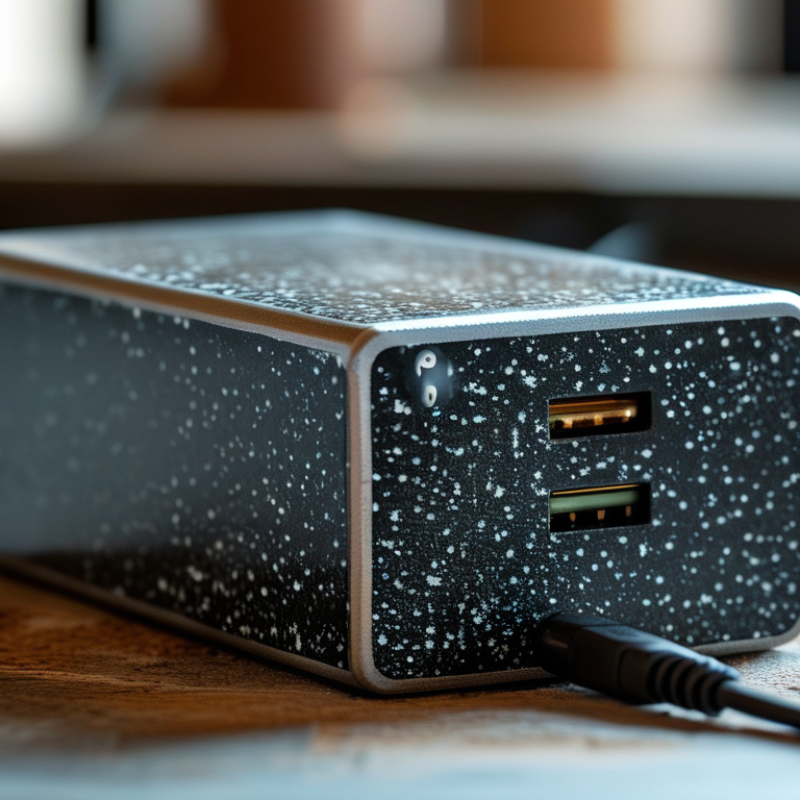
Why Choose GaN Chargers Over Traditional Chargers?

Advantages of GaN Technology Over Silicon in Charging Devices

GaN technology revolutionizes charging devices by surpassing traditional silicon options. Gallium Nitride (GaN) is a semiconductor that enables faster power delivery. GaN chargers can provide more power in a smaller form factor. This minimizes the size without sacrificing efficiency.

A crucial advantage lies in heat management. GaN produces less heat compared to silicon. This means less energy wasted as heat, leading to better energy efficiency. Many users appreciate that GaN chargers often run cooler. This aspect contributes to longer lifespan and reliability.

The compact size of GaN chargers is appealing for on-the-go lifestyles. They occupy less space in bags or on desks. However, some consumers may worry about compatibility with existing devices. While most modern gadgets are compatible, older ones may face issues. Understanding this nuance is vital for potential users. GaN chargers are changing the charging landscape, making it essential to weigh both benefits and limitations.

Impact of GaN Chargers on Charging Speed Compared to Traditional Chargers

GaN (Gallium Nitride) chargers have transformed the landscape of charging technology. Their unique material allows for higher efficiency, which translates into faster charging speeds. Traditional chargers often struggle with heat generation and slower output. GaN chargers, however, can manage heat better while maintaining their performance. This improvement leads to a significant reduction in charging times, benefiting devices that demand quick power boosts.

For example, a typical smartphone could charge from 0% to 50% in just 30 minutes with a GaN charger. This is a stark contrast to the hour or more it might take with conventional chargers. Additionally, GaN technology enables smaller and lighter designs. While this is advantageous, it can sometimes create concerns regarding durability and longevity. The compact form factor can lead some users to wonder if the efficiency gains come at a cost.

The shift from traditional to GaN chargers raises questions about compatibility and user experience. Not all devices may work seamlessly with GaN technology, posing challenges in charging ecosystems. Users should pay attention to their specific needs, weighing speed against potential issues. Embracing GaN means adopting a new approach to charging, but it’s essential to consider practical implications.

Charging Speed Comparison: GaN Chargers vs Traditional Chargers

Energy Efficiency Ratings: GaN Chargers vs. Conventional Chargers

GaN (Gallium Nitride) chargers are transforming the energy landscape. Their energy efficiency ratings significantly outperform traditional silicon chargers. Research shows that GaN chargers can operate at over 90% efficiency, while conventional chargers typically reach only around 70-80%. This difference may seem small, but it translates into a notable decrease in energy waste during charging.

One noteworthy aspect is heat generation. GaN chargers produce less heat, allowing them to maintain efficiency for longer periods. Less heat means longer lifespan for the device and reduced cooling requirements. According to industry data, using GaN technology can decrease overall energy consumption in charging by up to 25%. This not only saves on electricity costs but also benefits the environment.

Incorporating GaN chargers into daily use can streamline your charging routine. Tip: When choosing a charger, consider one with multiple ports to charge various devices simultaneously. Another tip: Be aware that while initial costs may be higher, savings on electricity bills can make GaN chargers a wise investment in the long run. However, some may notice that not all devices are compatible right away with GaN technology. Refinement may be needed to fully realize the potential benefits.

Heat Management in GaN Chargers and Its Benefits for Device Longevity

GaN chargers have revolutionized the way we think about charging. One key advantage is heat management. These chargers generate significantly less heat compared to traditional ones. Lower heat means better performance and longer lifespan for your devices.

Devices often suffer from excessive heat, leading to battery degradation. GaN technology effectively reduces the risk of overheating. This can enhance both charging speed and battery health over time. The efficient power conversion in GaN chargers minimizes energy loss, translating to less heat generation.

Tips: Always check if your charger has proper ventilation. Avoid covering it while in use. Also, consider charging your devices in cooler environments for optimal performance. These practices can further reduce heat buildup and extend your battery's life. Opting for GaN chargers is a smart move for tech-savvy users who prioritize device longevity. However, users should remain aware that even with advanced technology, regular checks on device health remain essential.

Market Trends: Adoption Rates of GaN Chargers in Consumer Electronics

The adoption of GaN chargers in consumer electronics has rapidly increased in recent years. According to a report by MarketsandMarkets, the GaN charger market could reach USD 1.5 billion by 2026, growing at a compound annual growth rate (CAGR) of 30%. This surge is largely due to their compact size and increased efficiency compared to traditional silicon-based chargers.

Many consumers embrace the reduced charging times. GaN chargers can deliver more power in a smaller footprint. Studies suggest they are up to 20% more efficient, translating to less wasted energy. Despite these advantages, some consumers still hesitate. Concerns over long-term durability and compatibility with existing devices linger for many users.

Furthermore, the market shows signs of fragmentation, with varying standards and performance metrics. Industry analysts point out that not all GaN products are created equal. Effective consumer education will play a crucial role in enhancing adoption. As awareness grows, one could wonder if these concerns will diminish or if consistent quality will remain a challenge in this evolving market.

FAQS

: What is GaN technology?

: GaN stands for Gallium Nitride. It is a semiconductor used in modern charging devices.

How does GaN technology compare to silicon?

GaN surpasses silicon by delivering faster charging and producing less heat.

Why is heat management important for chargers?

Less heat means better energy efficiency and longer device lifespan. GaN chargers run cooler overall.

Are GaN chargers smaller than traditional chargers?

Yes, GaN chargers are more compact. They take up less space while providing more power.

Can all devices use GaN chargers?

Most modern gadgets are compatible, but older devices may face issues. Compatibility is key to consider.

What are the energy efficiency ratings of GaN chargers?

GaN chargers can achieve over 90% efficiency, significantly better than conventional chargers, which reach 70-80%.

Is investing in GaN chargers worth it?

Yes, despite higher initial costs, they can lower electricity bills over time and benefit the environment.

How does heat generation affect charging efficiency?

Lower heat generation allows GaN chargers to maintain efficiency longer, reducing wasted energy and cooling needs.

What are some tips for using GaN chargers?

Consider chargers with multiple ports for convenience and be aware of potential compatibility issues with older devices.

What improvements can users expect from GaN technology?

Users may enjoy faster charging and energy savings, but some refinement may be needed for all devices to realize full benefits.

Conclusion

Gallium Nitride (GaN) technology is revolutionizing the charging industry, offering several advantages over traditional silicon chargers. One significant difference is that GaN chargers are able to achieve faster charging speeds due to their higher efficiency and better energy transfer capabilities. This leads to reduced charging times compared to conventional chargers, making them increasingly popular among tech-savvy consumers.

Additionally, GaN chargers demonstrate superior energy efficiency ratings, meaning less power is lost as heat during the charging process. This not only contributes to a greener footprint but also enhances heat management, promoting device longevity by preventing overheating. As a result, the market trend shows a growing adoption rate of GaN technology in various consumer electronics, highlighting how the advancement addresses both performance and sustainability concerns. Ultimately, understanding what is the difference between GaN tech and traditional chargers underscores the benefits these modern devices bring to users.

Isabella

Isabella

Isabella is a dedicated marketing professional with a sharp focus on driving brand growth and engagement through strategic content creation. With an extensive background in digital marketing, she combines her passion for storytelling with her keen understanding of industry trends to deliver......